The XR headsets sold new in September 2026 run from the $349.99 Meta Quest 3S to enterprise systems priced on request. This guide places 14 currently sold VR and mixed reality headsets side by side using manufacturer-claimed specifications and store prices checked on September 3, 2026, then explains which use cases each one fits.
In short:
- What it is: A side-by-side record of every XR headset a manufacturer sells new as of September 2026, with specs taken from each maker's own spec page and labeled as claimed.
- What it is not: A review or a ranking. BestInXR does not score headsets. The "best suited for" column describes use-case fit, not quality.
- What changed: Apple shipped the M5 Vision Pro at $3,499, Meta raised Quest prices, Pimax shipped two micro-OLED headsets and Magic Leap 2 left the market.
- What is missing: No optical see-through AR headset met the criteria.
How this list was built
A headset appears here only if it met three checks on September 3, 2026: the manufacturer sells it new, the manufacturer publishes a spec sheet and a price appears on the manufacturer's own store or is disclosed as unavailable. Every figure is a manufacturer claim. BestInXR has measured none of them.
Excluded: discontinued devices, devices without a public spec sheet, smart glasses such as XREAL and Viture (glasses, not headsets) and headsets announced but not shipping. Where a manufacturer does not publish a figure, the entry reads "Not disclosed." Where a manufacturer lists a product as out of stock, it sits in a separate note.
Which XR headsets are sold new in September 2026?
Fifteen headsets from eleven manufacturers met the criteria. The table lists claimed figures. Prices are the manufacturer's US store price on September 3, 2026, unless noted.
| Headset | Type | Resolution per eye (claimed) | Weight (claimed) | Price (USD, checked 2026-09-03) | Best suited for |
|---|---|---|---|---|---|
| Meta Quest 3 | Standalone mixed reality | 2064 x 2208 | Not listed on Meta's compare page | $599.99 (512GB) | Consumer mixed reality with the largest app catalog |
| Meta Quest 3S | Standalone mixed reality | 1832 x 1920 | Not listed on Meta's compare page | $349.99 (128GB), $449.99 (256GB) | Entry-price consumer VR and pilot deployments |
| Apple Vision Pro (M5) | Standalone, external battery | Not disclosed (23 million pixels total) | 750 to 800 g, battery 353 g separate | From $3,499 (256GB) | Apple-ecosystem productivity and high-density media |
| Samsung Galaxy XR | Standalone, external battery | 3,552 x 3,840 | 545 g, battery 302 g separate | $1,799.99 (256GB) | Android XR apps and Gemini-based assistance |
| Valve Steam Frame | Standalone with PC streaming | 2160 x 2160 | 440 g, core module and headstrap | $1,059 (256GB), $1,299 (1TB), checked 2026-09-15 | Playing an existing Steam library in VR or on a virtual screen |
| Pico 4 Ultra | Standalone mixed reality | 2160 x 2160 | Approximately 580 g | No manufacturer USD price (sold through retail partners) | Consumer mixed reality outside the United States |
| Pico 4 Ultra Enterprise | Standalone mixed reality | 2160 x 2160 | Not disclosed | $850 (12GB), $1,199 (16GB) | Managed enterprise training fleets |
| HTC Vive Focus Vision | Standalone with DisplayPort PC mode | 2448 x 2448 | Not disclosed | $999 | Location-based VR and PC VR without base stations |
| Varjo XR-4 Series | Tethered PC mixed reality | 3840 x 3744 | 665 g front section (2024 design note) | Pricing by request | Simulation and training where passthrough detail matters |
| Pimax Crystal Super | Tethered PC VR | 3840 x 3840 | Not disclosed on store page | $1,599 | Flight and racing simulation on a high-end PC |
| Pimax Dream Air | Tethered PC VR | 3840 x 3552 | Under 170 g headset | $1,999 (Lighthouse) or $2,299 (SLAM and controllers) | Lightweight high-resolution PC VR |
| Pimax Dream Air SE | Tethered PC VR | 2560 x 2560 | Under 140 g headset | $899 (Lighthouse) or $1,199 (SLAM and controllers) | Compact micro-OLED PC VR at a lower price |
| Bigscreen Beyond 2 | Tethered PC VR, base station required | 5120 x 2560 combined | 107 g (Beyond 2), 108 g (Beyond 2e) | From $1,019 (Beyond 2), from $1,219 (Beyond 2e) | Long PC VR sessions where weight matters most |
| Sony SRH-S1 | Standalone with tethered mode | Not disclosed by Sony (4K OLED microdisplays) | Not disclosed | Not on a Sony store; sold through Siemens, reported at $4,750 | Industrial CAD review in Siemens NX |
| Lenovo ThinkReality VRX | Standalone with PC streaming | 2280 x 2280 | Around 0.83 kg | Not verifiable on lenovo.com; 2023 launch price $1,299 | Enterprise training with device management |
What does each headset's spec sheet claim?
Each entry repeats the manufacturer's published figures that the table does not hold. Sources are listed per figure in the accompanying sources file.
Meta Quest 3
Claimed: LCD panels, 72, 90 and 120 Hz, 110 degree horizontal and 96 degree vertical field of view, Snapdragon XR2 Gen 2, 8GB memory, full-color passthrough at 4MP with a depth sensor, pancake lenses and inside-out head and hand tracking. Target market: consumer.
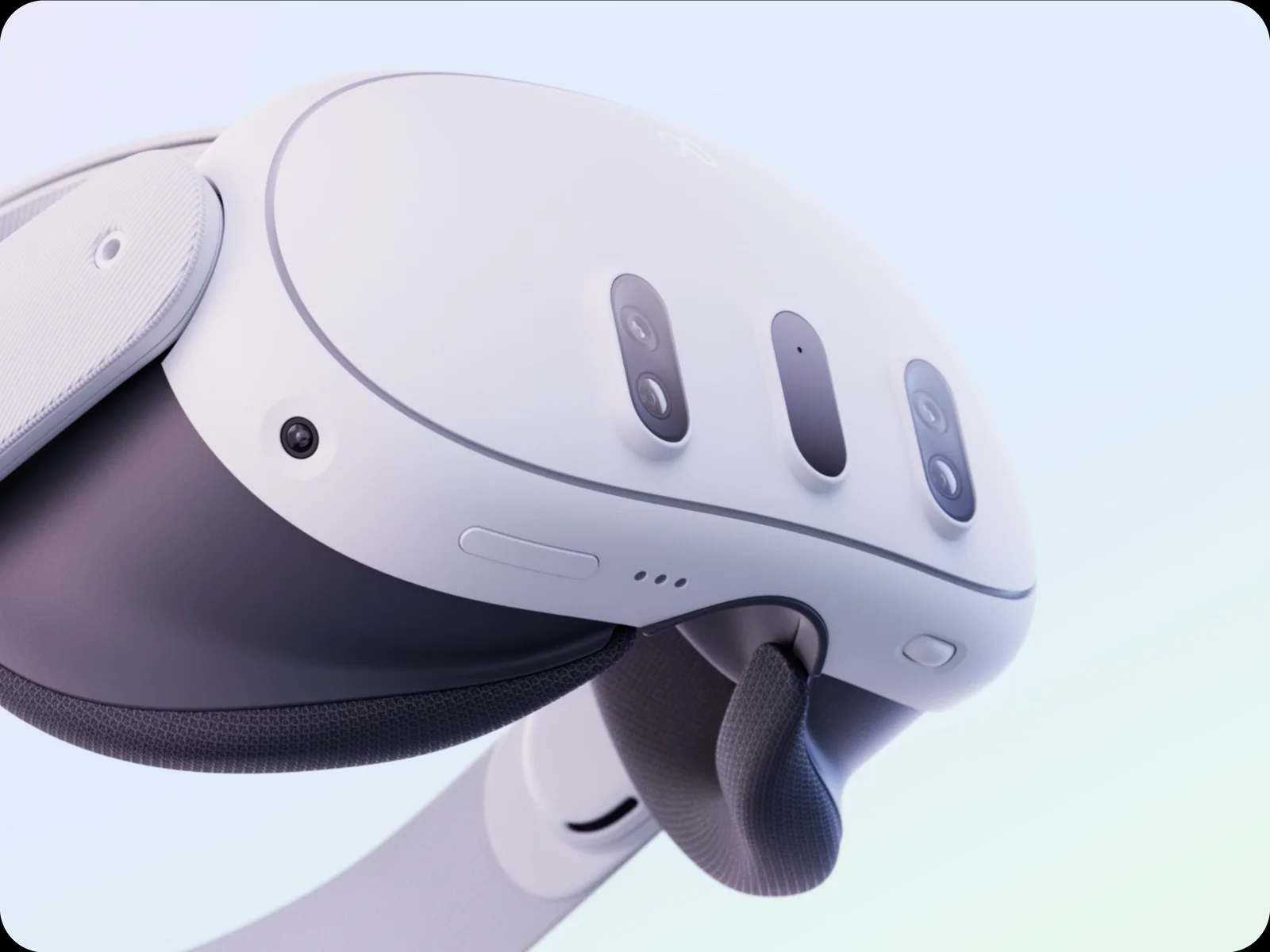
Meta Quest 3S
Claimed: LCD panels, 72, 90 and 120 Hz, 96 degree horizontal and 90 degree vertical field of view, Snapdragon XR2 Gen 2, 8GB memory, full-color passthrough at 4MP, Fresnel lenses and no depth sensor. Target market: consumer.
Apple Vision Pro (M5)
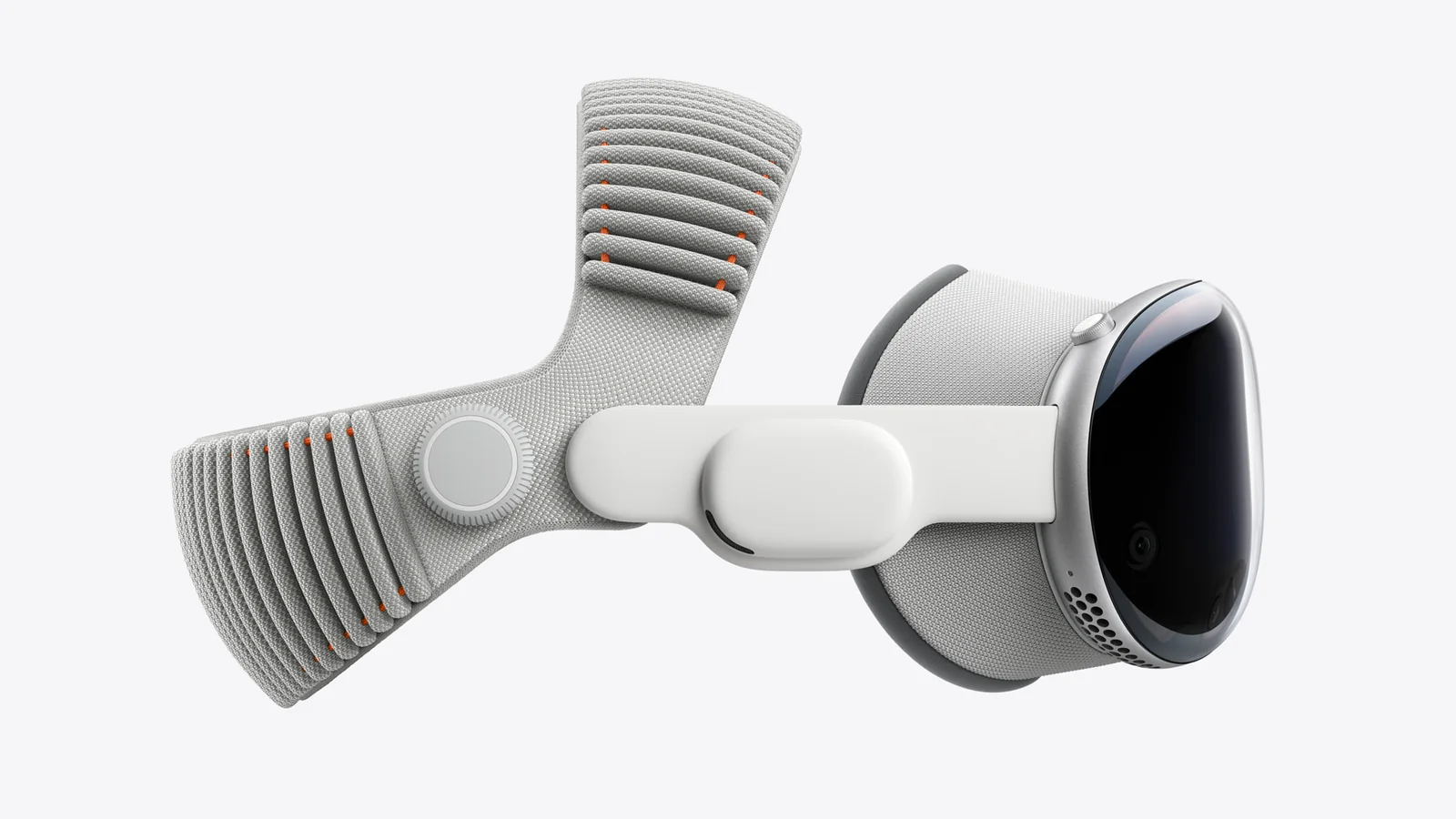
The M5 model became available on October 22, 2025. Claimed: micro-OLED displays, 90, 96, 100 and 120 Hz, M5 chip, R1 coprocessor with 12 millisecond photon-to-photon latency, 16GB memory, stereoscopic color passthrough, six world-facing cameras, four eye-tracking cameras and LiDAR. Apple does not publish per-eye resolution or field of view. Target market: prosumer and enterprise.
Samsung Galaxy XR
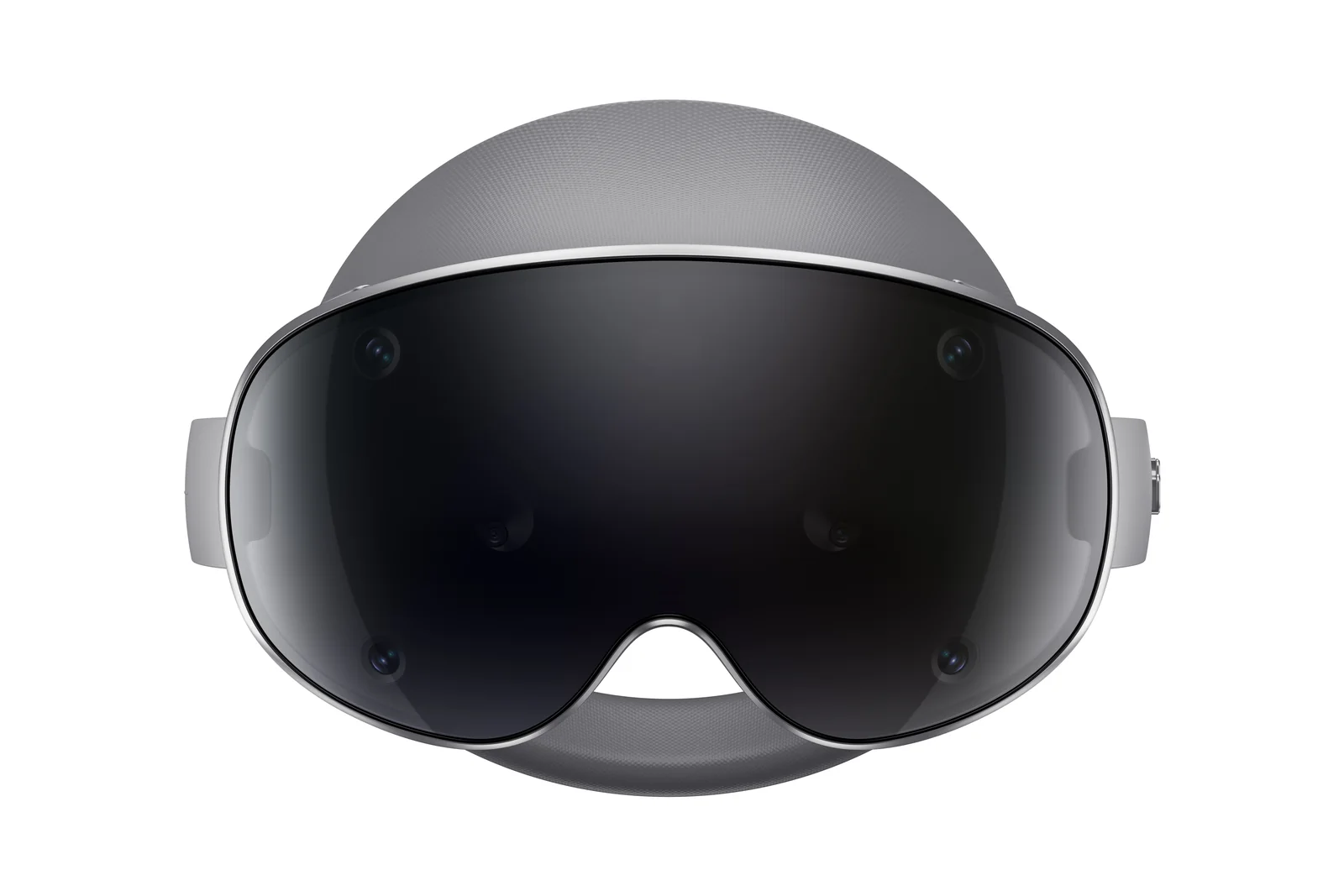
Claimed: micro-OLED displays with 27 million pixels, 60 Hz, 72 Hz by default and 90 Hz on service request, 109 degree horizontal and 100 degree vertical field of view, Snapdragon XR2+ Gen 2, 16GB memory, two passthrough cameras, six tracking cameras, four eye-tracking cameras and a depth sensor. Target market: consumer.
Valve Steam Frame
Claimed: 2160 x 2160 LCD per eye, 72 to 144 Hz with 144 Hz marked experimental, custom pancake lenses with glass and non-glass elements, a field of view given as up to 110 degrees, a 4 nm Snapdragon 8 Gen 3 on ARM64, 16GB LPDDR5X, 256GB or 1TB UFS storage with a microSD slot, inside-out tracking from four outward monochrome cameras, two interior cameras for eye tracking and foveated streaming, monochrome passthrough, Wi-Fi 7 with dual radios, Bluetooth 5.4 and SteamOS 3. The IPD range is 60 to 70 mm. Valve publishes 440 g for the core module and headstrap together, 185 g for the core module alone and 245 g for the headstrap. Those three figures do not sum, and Valve does not say what accounts for the 10 g. It footnotes the sheet with "some specifications subject to change ahead of availability". Target market: consumer.
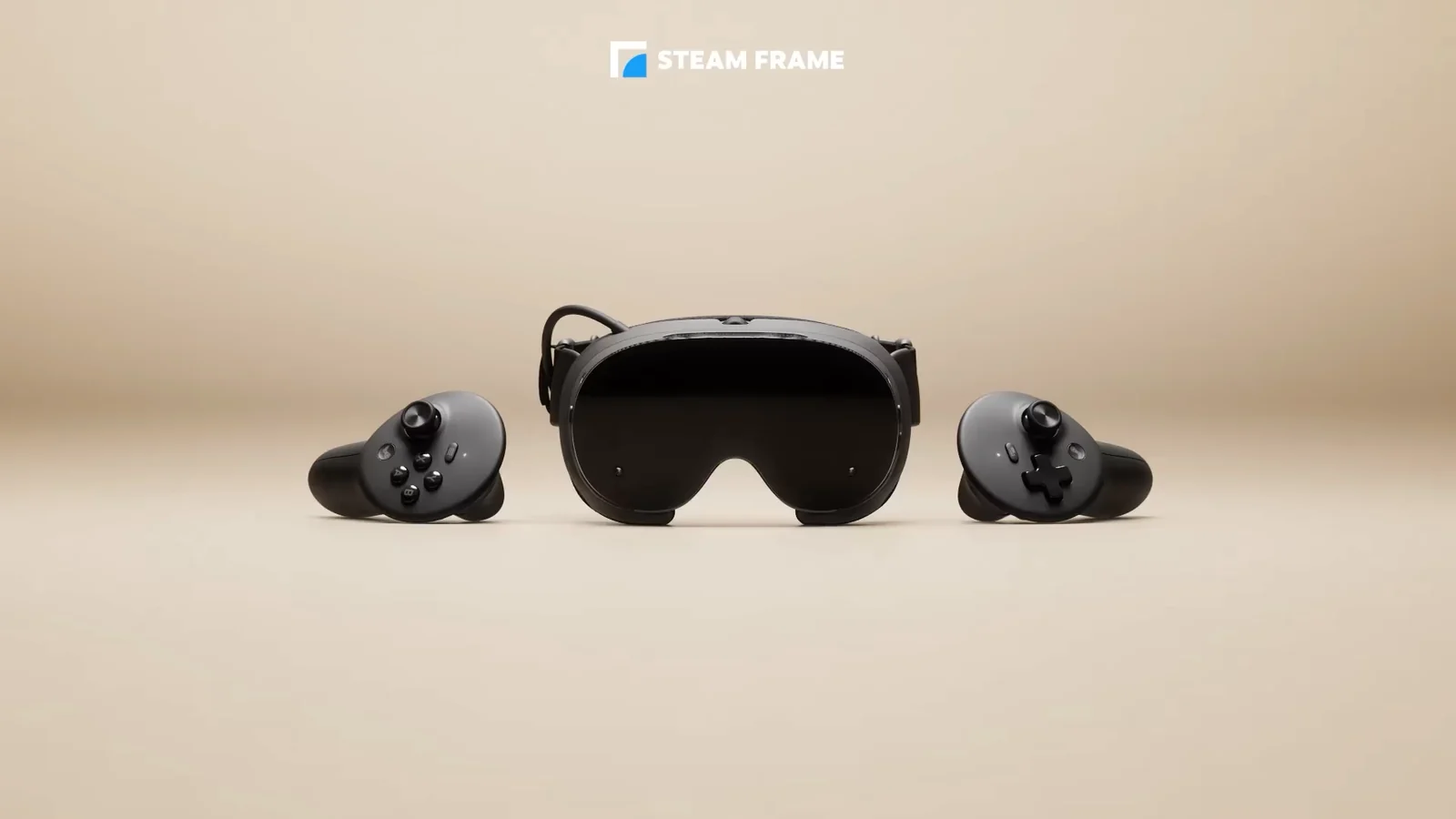
It is sold through a reservation queue rather than a store page, so the price is not the only thing standing between a buyer and a headset. Our Steam Frame report covers the launch and the queue.
Pico 4 Ultra and Pico 4 Ultra Enterprise
Both models share one spec sheet: two 2.56-inch panels, 90 Hz, 105 degree field of view, pancake lenses, Snapdragon XR2 Gen 2, two 32MP color passthrough cameras, an iToF depth camera and four tracking cameras. Pico's consumer "Buy Now" link routes to retail partners, so no manufacturer USD price exists. Target markets: consumer and enterprise.
HTC Vive Focus Vision
Claimed: two LCD panels, 90 Hz standalone with 120 Hz in DisplayPort mode marked beta, up to 120 degree field of view, Snapdragon XR2, 12GB RAM, two full-color passthrough cameras, four tracking cameras and two eye-tracking cameras at 120 Hz. It runs standalone or as a PC headset over USB-C. Target market: prosumer and enterprise.
Varjo XR-4 Series
Varjo sells the XR-4, Focal Edition and Secure Edition through its sales team, with pricing by request since October 2025. Claimed: dual 4K mini-LED displays, 120 x 105 degree field of view, 51 pixels per degree, 200 Hz eye tracking, dual 20MP passthrough cameras, LiDAR, inside-out and SteamVR tracking and optical hand tracking. Varjo's support site lists 75 Hz and 90 Hz. The Focal Edition adds gaze-driven autofocus passthrough. Target market: enterprise.
Pimax Crystal Super
Claimed: local-dimming panels, 72 Hz and 90 Hz, glass aspheric lenses and a field of view set by the optical engine: 106 degrees horizontal at 57 PPD, 127 degrees at 50 PPD and 140 degrees on the Ultrawide engine. Tracking is inside-out with optional Lighthouse. Passthrough is not disclosed. Target market: prosumer.
Pimax Dream Air and Dream Air SE
Dream Air claims a Sony micro-OLED panel with 110 degree horizontal field of view. Dream Air SE claims micro-OLED with 105 degree horizontal field of view, 72 Hz natively and 90 Hz upscaled. Both offer Lighthouse or SLAM tracking, eye tracking and hand tracking. Pimax announced shipping on February 20, 2026 and May 14, 2026 respectively. Target market: prosumer.
Bigscreen Beyond 2
Claimed: dual 1-inch micro-OLED displays, up to 90 Hz, 116 degree diagonal field of view and 32 pixels per degree peak. The Beyond 2e adds eye tracking. It requires a SteamVR base station and lists no passthrough camera. Target market: prosumer.
Sony SRH-S1
Sony's January 2024 announcement describes 1.3-type 4K OLED microdisplays, Snapdragon XR2+ Gen 2, six cameras and sensors, video see-through and a flip-up display. Sony does not publish per-eye resolution, refresh rate or weight, and its XYN product page routes buyers to Siemens. Road to VR reported a $4,750 price in January 2025. Target market: enterprise.
Lenovo ThinkReality VRX
Lenovo's PSREF sheet dated August 18, 2025 claims 2.1-inch LCD panels, 72 and 90 Hz, 95 degree field of view, Snapdragon XR2+ Gen 1, 12GB memory, two-camera full-color passthrough, four-camera 6DoF tracking and Wi-Fi or USB-C PC streaming. Lenovo's US product page could not be loaded for a current price. Target market: enterprise.
Which XR headset is best for enterprise training?
Four headsets in this list are sold and specified for enterprise training: Pico 4 Ultra Enterprise, Lenovo ThinkReality VRX, HTC Vive Focus Vision and the Varjo XR-4 Series. They fit different budgets and fidelity needs rather than ranking against each other.
Pico 4 Ultra Enterprise and ThinkReality VRX are standalone headsets with device management available, which suits large fleets. The Vive Focus Vision adds eye tracking and a DisplayPort PC mode. The Varjo XR-4 Series is a tethered system aimed at cockpit and vehicle simulation, where its claimed 51 pixels per degree passthrough lets trainees read physical instruments. Sony's SRH-S1 targets one case, CAD review in Siemens NX.
Which headset has the highest resolution?
By claimed per-eye pixel count, the Pimax Crystal Super leads at 3840 x 3840, followed by the Varjo XR-4 Series at 3840 x 3744, the Pimax Dream Air at 3840 x 3552 and Samsung Galaxy XR at 3,552 x 3,840. Apple publishes only a 23 million pixel total for Vision Pro, so it cannot be placed on a per-eye basis. Pixel count is not clarity: pixels per degree depends on field of view, which is why Varjo and Pimax quote PPD alongside resolution.
Standalone or tethered: which XR headset type fits your use?
Standalone headsets suit mobility, shared fleets and quick setup. Tethered headsets suit rendering loads that a mobile chip cannot carry. Nine headsets here are standalone: Quest 3, Quest 3S, Vision Pro, Galaxy XR, both Pico 4 Ultra models, Vive Focus Vision, SRH-S1 and ThinkReality VRX. Five are tethered PC headsets: Varjo XR-4 Series, Crystal Super, Dream Air, Dream Air SE and Beyond 2. Vive Focus Vision and ThinkReality VRX also connect to a PC.
Apple Vision Pro vs Meta Quest 3: what do the spec sheets say?
The spec sheets describe two different products at close to a six-fold price gap. Vision Pro, from $3,499, claims micro-OLED displays with 23 million pixels total, an M5 chip, eye and hand input with no controllers and a 750 to 800 g headset with an external battery. Quest 3, at $599.99, claims LCD panels at 2064 x 2208 per eye, a Snapdragon XR2 Gen 2, controllers plus hand tracking and a 110 degree horizontal field of view. Both offer color passthrough and run standalone.
Samsung Galaxy XR vs Vision Pro: how do they differ?
Galaxy XR and Vision Pro share a form factor and differ on chip, platform and price. Galaxy XR claims 3,552 x 3,840 per eye, a Snapdragon XR2+ Gen 2, 545 g and a $1,799.99 price on Android XR. Vision Pro claims 23 million pixels total, an M5 chip, 750 to 800 g and a $3,499 starting price on visionOS. Samsung lists 72 Hz as the default refresh rate with 90 Hz on request, while Apple lists up to 120 Hz.
What changed in XR headsets in 2026?
Prices moved up, the field narrowed and Valve entered the market. Valve shipped Steam Frame on September 14, 2026 at $1,059 for 256GB and $1,299 for 1TB, sold through a reservation queue. In April 2026, Meta raised the Quest 3S to $349.99 and $449.99 and the Quest 3 to $599.99, citing memory costs. That is $50 more on each Quest 3S tier and $100 more on the Quest 3 against the prices Meta set in October 2024. Meta now sells the Quest 3 only in a 512GB configuration. Pimax began shipping the Dream Air in February and the Dream Air SE in May. Magic Leap ended direct sales of Magic Leap 2 on March 31, 2026. Pico's Space Pro was also expected in 2026 and has not shipped.
Which headsets are listed but out of stock?
Two headsets remain on manufacturer stores but could not be bought on September 3, 2026. Play For Dream lists its MR headset at $1,999 as sold out; it claims micro-OLED at 3840 x 3552 per eye, 90 Hz, Snapdragon XR2+ Gen 2 and 650 g including battery. HTC's US store lists the Vive XR Elite at $799.99 against a $1,099 regular price and shows it out of stock; HTC claims 1920 x 1920 per eye and 90 Hz.
Announced, with the ship date still open
Pico's Space Pro is an announced product without a shipping date or price. Pico canceled its September 2 launch event and moved Space Pro to the fourth quarter of 2026.
Discontinued headsets
Three headsets from earlier guides are no longer sold. The XR Graveyard records each of them with the date and the document that establishes it. Meta's Quest Pro page reads "Meta Quest Pro is no longer available." Microsoft's HoloLens 2 documentation states the device "is no longer being manufactured and is currently out of stock in all geographies," with security updates through December 31, 2027. Magic Leap's support site states "Magic Leap 2 is no longer for sale," with support through December 31, 2027.
Related reading
Each of these covers one manufacturer in depth, with dated specifications and the support position for devices no longer sold.
- Meta Quest
- Microsoft HoloLens
- Magic Leap
- Samsung Galaxy XR
- Pico
- Smart glasses guide
- XR hardware price index
- The XR Graveyard, every dated end of support
Recent news covering this hardware:
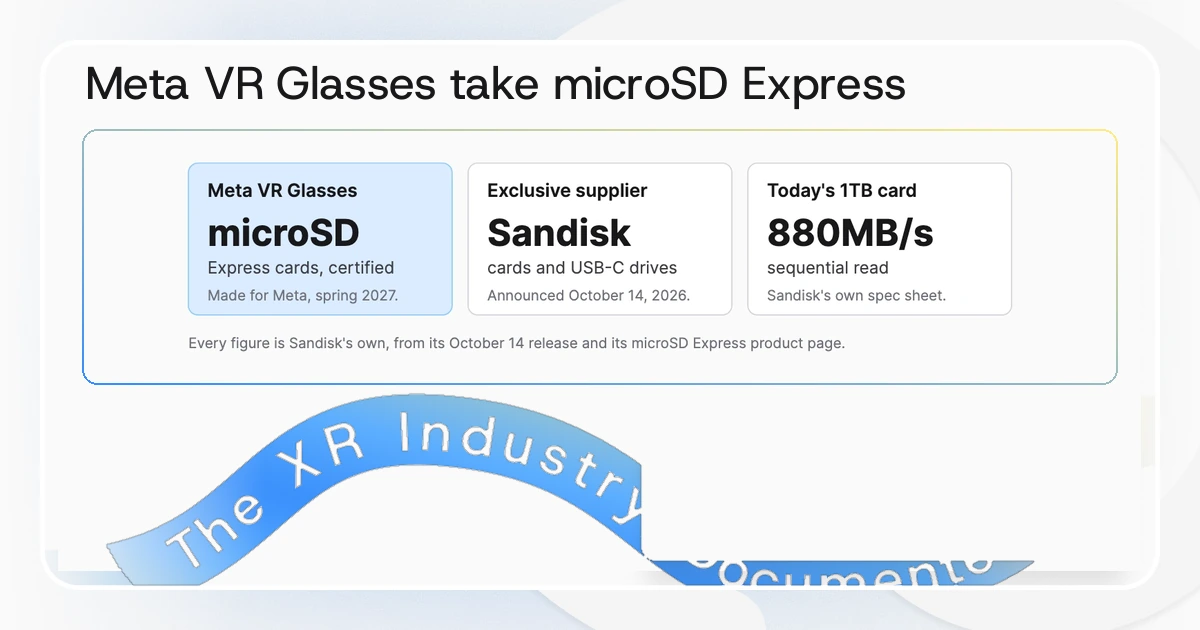
- Meta VR Glasses Take microSD Express Cards, With Sandisk as the Made for Meta Supplier, October 15, 2026
- Valve Ends Index Production and Puts the Remaining Stock at 20 Percent Off, October 14, 2026
- Valve Published the Steam Frame CAD Files and the Full Expansion Port Pinout, October 13, 2026
- Pimax Crystal Pro Is $1,399, With a Full Spec Sheet on Day One, October 8, 2026
- A $149 Module Upgrades Steam Frame's Monochrome Passthrough to 5K HDR Color, September 29, 2026
- Meta's Developer Docs Give the VR Glasses Field of View as 70 by 66 Degrees, September 25, 2026
Frequently Asked Questions (FAQ)
1. What is the best XR headset in 2026?
There is no single best XR headset, because the devices sold in 2026 serve different uses. Meta Quest 3 and Quest 3S fit consumer mixed reality at $349.99 to $599.99, Apple Vision Pro and Samsung Galaxy XR fit high-density standalone computing and Varjo, Pico, HTC and Lenovo sell headsets specified for enterprise training.
2. What is the difference between a VR headset and a mixed reality headset?
A VR headset replaces the user's view with a rendered scene. A mixed reality headset adds cameras that pass the real surroundings through to the displays so rendered objects can be placed in the room. Most headsets sold in 2026 offer color passthrough, while the Bigscreen Beyond 2 lists no passthrough camera.
3. Is the Apple Vision Pro worth it for business?
The Vision Pro fits businesses that need micro-OLED display density, Mac integration and visionOS software, at a starting price of $3,499. Companies deploying training fleets more often choose headsets with device management and lower unit prices such as the Pico 4 Ultra Enterprise at $850.
4. Which XR headsets work without a PC?
Nine headsets in this list run standalone: Meta Quest 3, Meta Quest 3S, Apple Vision Pro, Samsung Galaxy XR, both Pico 4 Ultra models, HTC Vive Focus Vision, Sony SRH-S1 and Lenovo ThinkReality VRX. The Varjo XR-4 Series, the three Pimax headsets and Bigscreen Beyond 2 require a PC.
5. How much does an enterprise XR headset cost?
Enterprise headsets with published manufacturer prices run from $850 for the Pico 4 Ultra Enterprise to $999 for the HTC Vive Focus Vision and $1,199 for the 16GB Pico. Varjo prices the XR-4 Series on request, Lenovo's 2023 launch price for the ThinkReality VRX was $1,299 and Sony's SRH-S1 was reported at $4,750 through Siemens.