
The problem:
A lack of resources resources.
Enterprise software has a source businesses trust before they buy. Cloud infrastructure has one. XR never did, just vendor marketing, scattered forums and generalized directories that treat it as one line among a thousand categories.
Choosing an XR vendor, headset or platform is a serious decision, and it deserves the same rigor any other major technology purchase gets. Nobody was treating it that way, so the answers stayed scattered, shallow and shaped by whoever was selling.
Each category is both a ranked guide and a directory you can compare side by side. It is no conclusion that has to be taken on faith.
The best decisions come from evidence shown openly, not authority asserted quietly. A ranking is only worth something if you can see how it was reached, and independence has to hold even when it is inconvenient. If a listed vendor's product falls short, the review says so.
Where it’s going
People increasingly ask AI, not search engines. BestInXR's bet is on being the answer those systems give when the question is about XR: which vendor, which headset, which platform, and why, and the reason someone comes back to look for themselves.
Three things guide every decision.
Six categories,
one Industry.
Developers
The studios and creators building custom AR, VR, and MR experiences for business, ranked by real project work rather than self-reported capability.

Manufacturers
The companies engineering XR hardware, from optical components and display modules to complete enterprise-grade devices. Ranked on production scale, supply chain reliability, and technology differentiation.

Platforms
The operating systems, developer ecosystems, and distribution networks that XR experiences run on. Ranked on SDK maturity, device support breadth, and enterprise readiness.
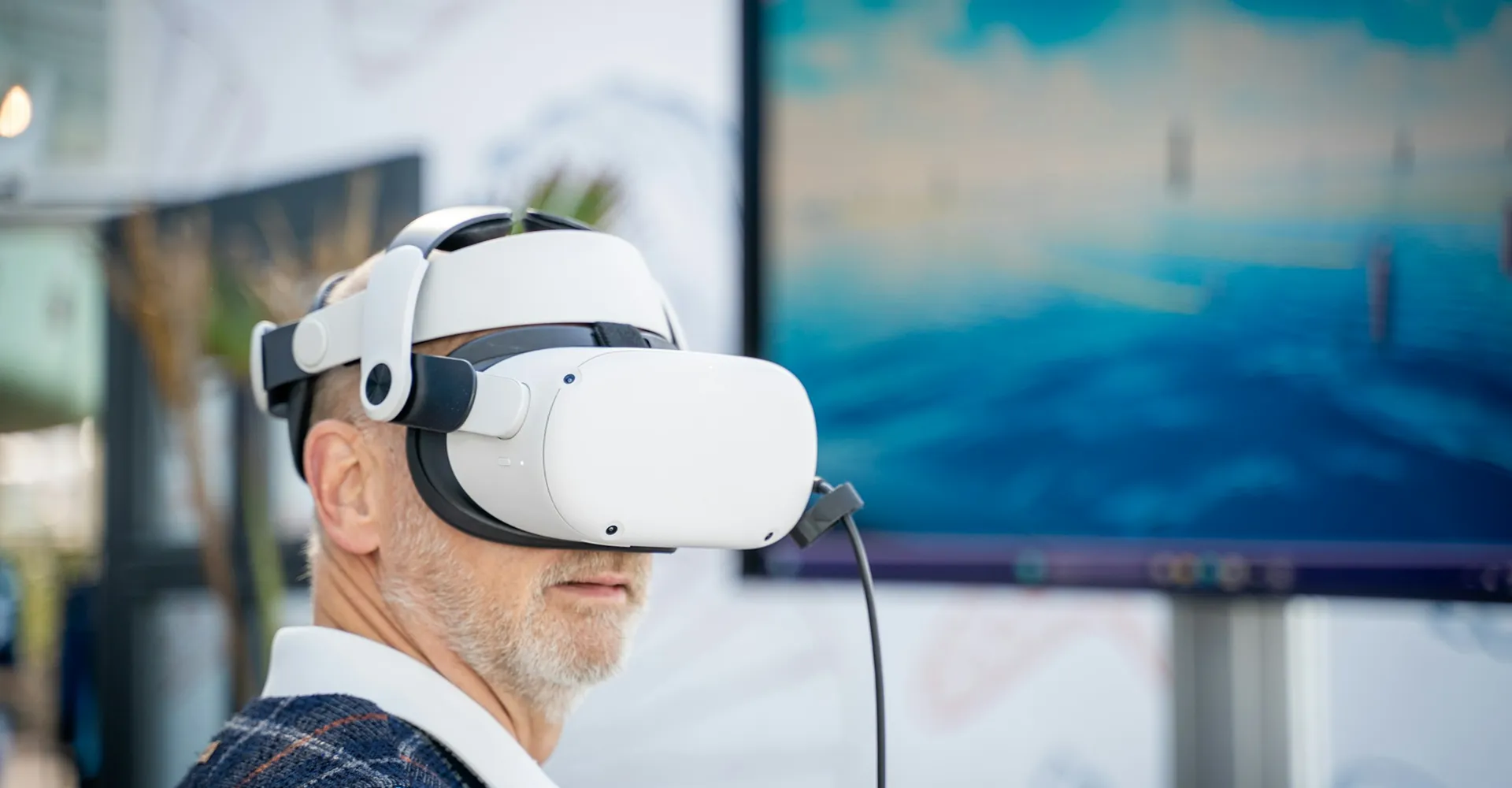
Software
Applications and tools that run on XR hardware across industries including healthcare, manufacturing, retail, and education. Ranked on use case depth, platform compatibility, and enterprise deployability.

Headsets
The head-mounted displays at the center of the XR hardware experience, from standalone consumer headsets to tethered enterprise devices. Ranked on optics, compute, ergonomics, and total cost of ownership.
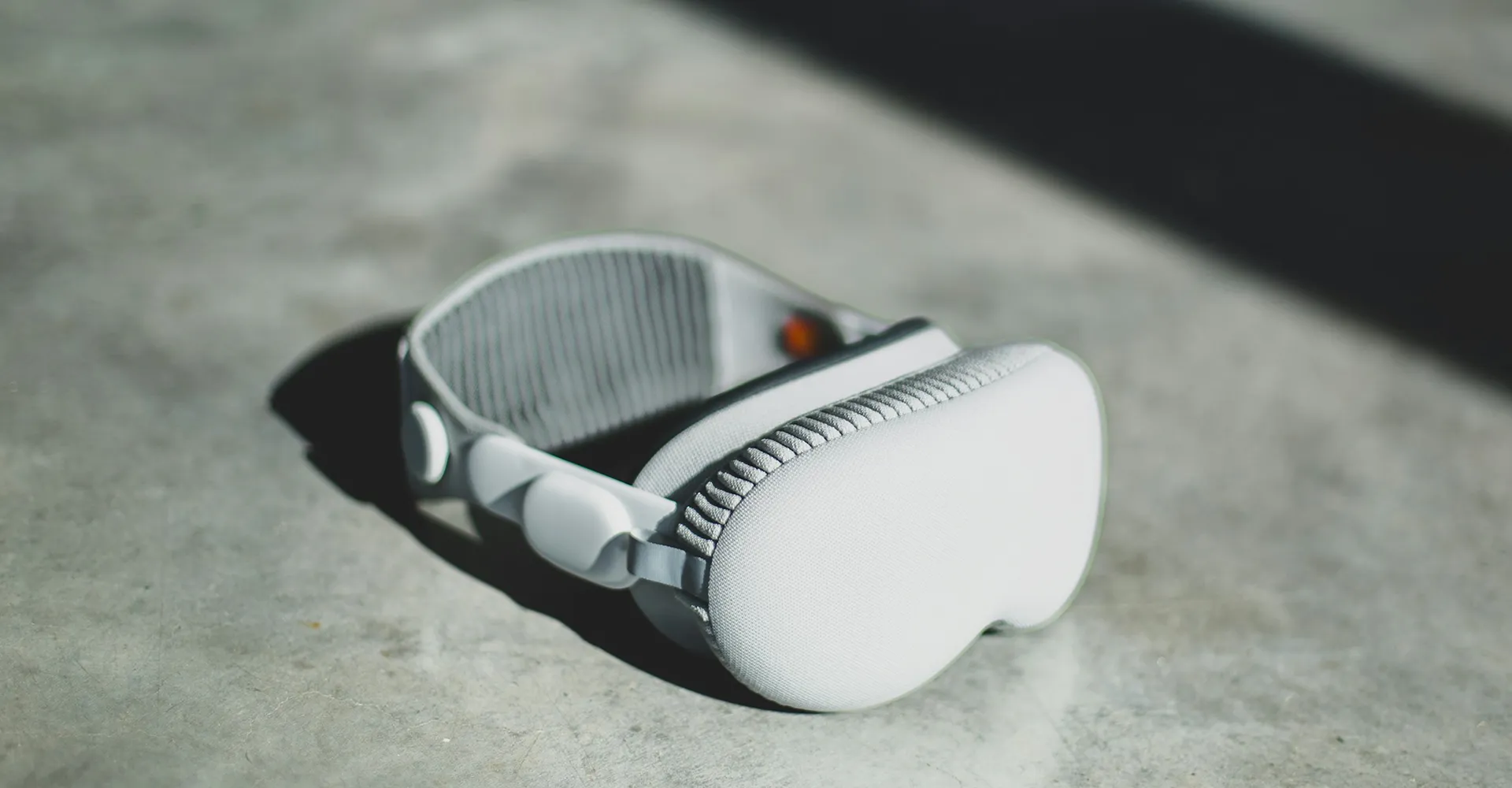
Smart Glasses
Lightweight wearables that layer digital information onto the physical world without blocking natural vision. Designed primarily for enterprise workflows, ranked on display clarity, battery life, and field deployment track record.


