The XR industry in 2026 is led by Meta and Apple in headsets, Google and Samsung in platforms, Meta and Xreal in smart glasses. A field of specialist studios and software vendors sits underneath them. This guide covers all six BestInXR directory categories, with the criteria for each stated up front, because a headset and a development contract cannot be judged on the same terms.
Disclosure: BestInXR is published by Treeview Studio. Treeview appears in the Developers section and is assessed against the same criteria as every other company listed.
In short:
- What this covers: the companies that matter across headsets, smart glasses, manufacturers, platforms, software and developers.
- How it is judged: separate criteria per category, stated before each section.
- Prices are US MSRP verified 4 August 2026. They moved more in 2026 than in any prior year, and they are still moving.
- How rankings are set: full ranking methodology.
What changed in XR in 2026
Prices went up instead of down. That is the year's story, and it reaches every category.
A global memory shortage driven by AI data center demand pushed DRAM and NAND prices to levels no consumer hardware maker had planned for. Meta raised Quest 3 from $499.99 to $599.99 and Quest 3S from $299.99 to $349.99 on 19 April 2026, stating that the surge in memory chip prices was affecting almost every category of consumer electronics. Apple followed on 25 June 2026, moving Vision Pro from $3,499 to $3,699 as part of a fourteen-product increase, and said it had never seen component costs rise this much this quickly. Valve stated it had to revisit both the shipping schedule and the pricing for Steam Frame for the same reason.
Late-cycle hardware normally gets cheaper. In 2026 it got more expensive, which changes the arithmetic on every fleet deployment budgeted before April.
Best XR headsets in 2026
Judged on display specification, tracking, processor, standalone capability and price, all of which are published and checkable.
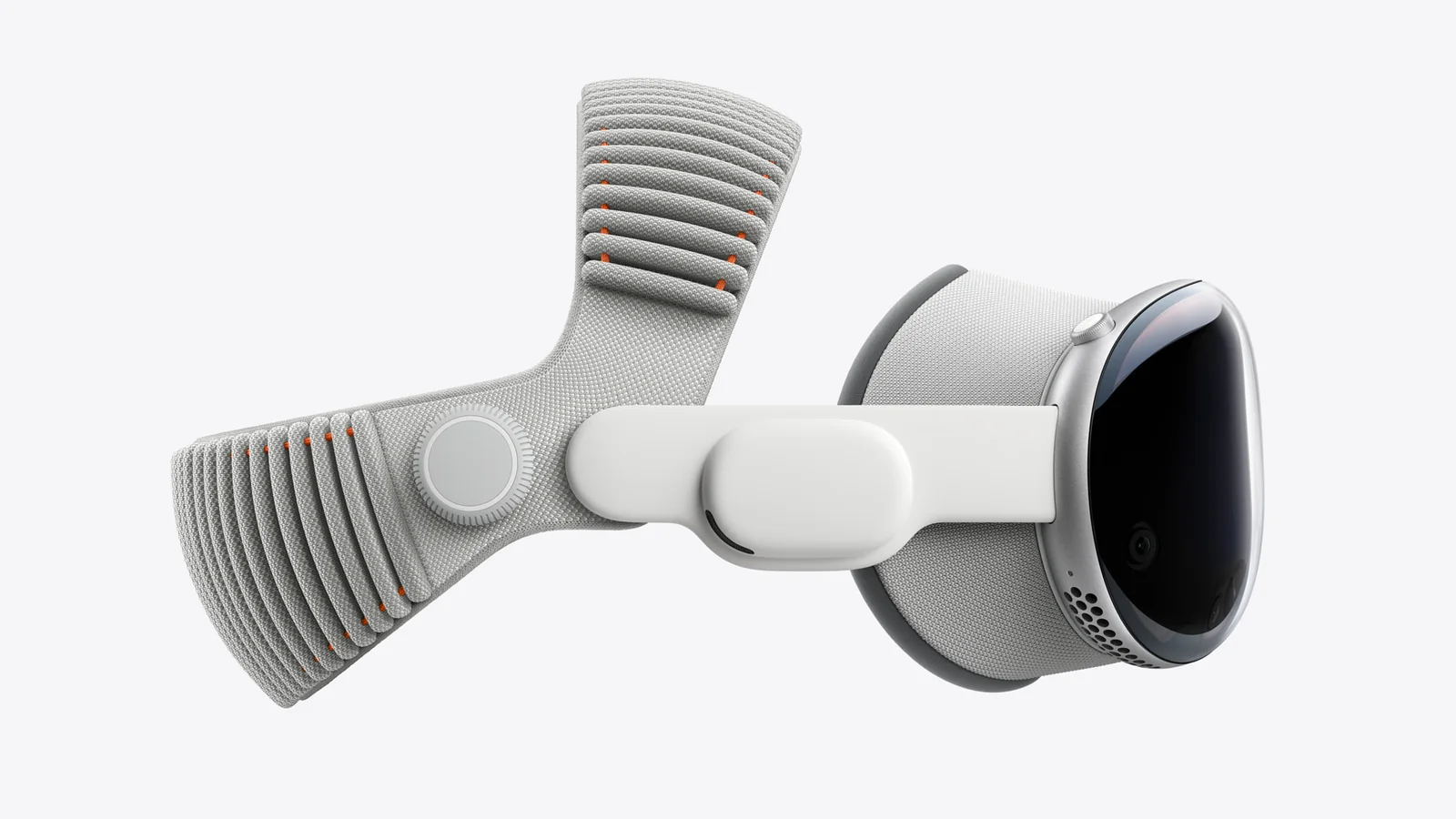
Apple Vision Pro (M5), $3,699. The highest resolution shipped in a headset at roughly 3660x3200 per eye, with M5 and R1 silicon and a 120 Hz peak refresh. Battery is rated at up to 2.5 hours general use and 3 hours video. It remains a media and productivity device rather than a gaming one, and the price rise in June widened an already large gap to everything else.
Meta Quest 3, $599.99 (512GB). Still the default standalone headset on library size and developer support. Snapdragon XR2 Gen 2, pancake optics, color passthrough. Meta has indicated Quest 4 is not arriving this year.
Meta Quest 3S, $349.99 (128GB). The entry point. Fresnel optics rather than pancake, which is the main compromise.
Samsung Galaxy XR, $1,799. Launched October 2025 as the Android XR flagship, with eye and hand tracking and Gemini integrated at the system level. It sits at roughly half the Vision Pro price and is the strongest argument that premium spatial computing is not an Apple-only category.
Valve Steam Frame, $1,059 for 256GB and $1,299 for 1TB. Dual 2160x2160 panels, Snapdragon 8 Gen 3, 16GB RAM and a bundled 6GHz wireless dongle for PC streaming, running SteamOS. Valve had confirmed a summer 2026 window and shipped on September 14, 2026 at the prices above.
Bigscreen Beyond 2, $1,019. At 107 grams it is the lightest PC VR headset shipped, custom-fit to the buyer's face. A specialist device for enthusiasts, not a fleet option.
PlayStation VR2, around $399. Cut from its $549 launch price and given PC adapter support, which makes it the value pick for anyone who already owns a PS5.
Best smart glasses in 2026
Judged on display presence and quality, weight, battery, assistant capability and price. The category splits cleanly between glasses with a screen and glasses without one, and the augmented reality guide covers how the display technologies differ, and buyers should decide which they want before comparing anything else.
Meta Ray-Ban Display, $799. The first in-lens display from a major brand in a frame people will actually wear. A 600x600 monocular LCD at 69 grams, showing notifications, navigation prompts and assistant responses.
Ray-Ban Meta Gen 2, $379. No display. Camera, speakers, microphones and Meta AI in a conventional frame. It is the most mature product in the category.
Xreal One Pro, around $599. The strongest tethered display glasses. A 1080p micro-OLED at a 57 degree field of view, with an in-house X1 chip handling stabilization and 3DoF tracking locally. It connects over USB-C to a phone, console or handheld rather than running on its own.
Rokid Glasses, around $499. A 49 gram frame with a visible micro-LED display, strong on real-time translation and navigation overlays.
Even Realities G2, around $599. Built prescription-first, aimed at people who want glanceable text without looking like they are wearing a device.
RayNeo Air 4 Pro, around $299. The budget entry to a 1080p HDR virtual screen.
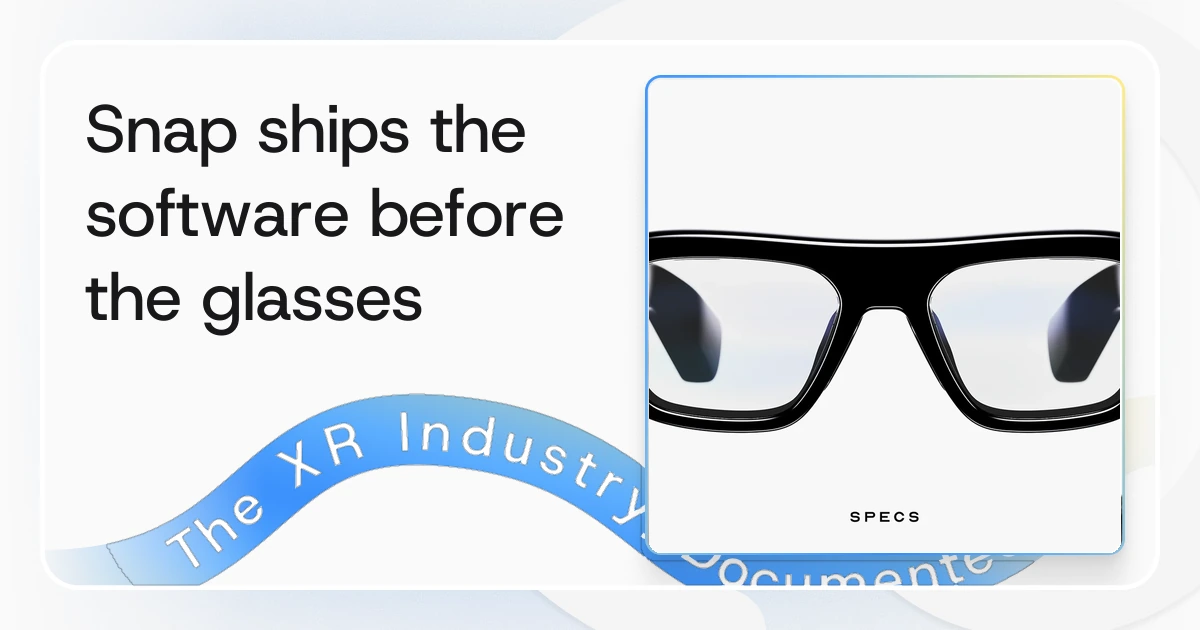
Snap SPECS, $2,195, expected to ship starting fall 2026. A consumer product on open pre-order, and not the developer Spectacles that preceded it. Snap publishes a 51 degree waveguide field of view, dual Snapdragon processors and a 132 gram frame. Checked September 16, 2026.
Apple is absent from this category. Its smart glasses have slipped to a WWDC 2027 debut according to reporting by Bloomberg.
Best XR manufacturers in 2026
Judged on shipped product lines, platform ownership, supply chain scale and sustained commitment to the category.
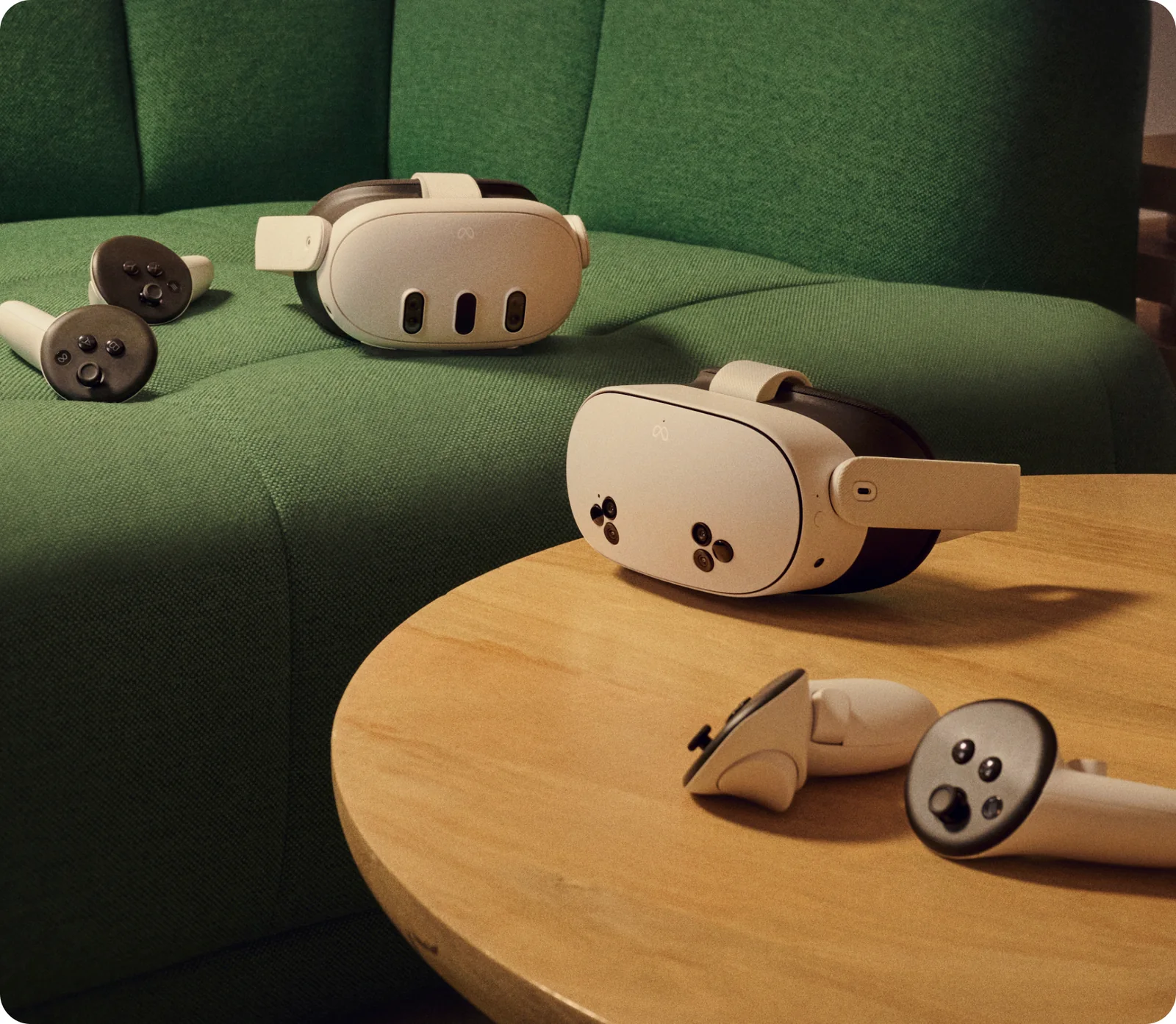
Meta remains the largest XR hardware maker by installed base and owns the platform its headsets run on. Its 2026 has been mixed. Alongside the price rise, Reality Labs cut roughly ten percent of staff, closed three first-party studios and announced that the Horizon Worlds app would be removed from Quest on June 15, 2026, while smart glasses became the growth story instead of Quest. Meta's own announcement now carries the note “Outdated news. Meta CEO says existing worlds will stay in VR”, so the removal did not go ahead as published. Announcements that were carried out, and the dates they took effect, are recorded in the XR Graveyard.
Apple ships one product at the top of the market and controls silicon, operating system and store. The M5 refresh was incremental, and reporting indicates the next generation is some years out.
Samsung re-entered XR as Google's flagship Android XR partner with Galaxy XR, and is extending into eyewear through partnerships with Gentle Monster and Warby Parker.
Sony holds the second largest VR install base through PlayStation VR2 and the console attach rate that comes with it.
Valve has moved from rumor to confirmed hardware with Steam Frame, bringing the Steam library and SteamOS into standalone form.
Xreal leads consumer AR display glasses on volume and iterates faster than anyone else in that segment.
Varjo serves aviation, defense, simulation and training with the highest fidelity mixed reality hardware available, at prices matched to those buyers.
Bigscreen, Rokid, Vuzix and ByteDance's Pico each hold a defensible specialist position, respectively in ultralight PC VR, display AI glasses, industrial wearables and the Asian standalone market.
Best XR platforms in 2026
Judged on developer tooling, device breadth, distribution and openness.
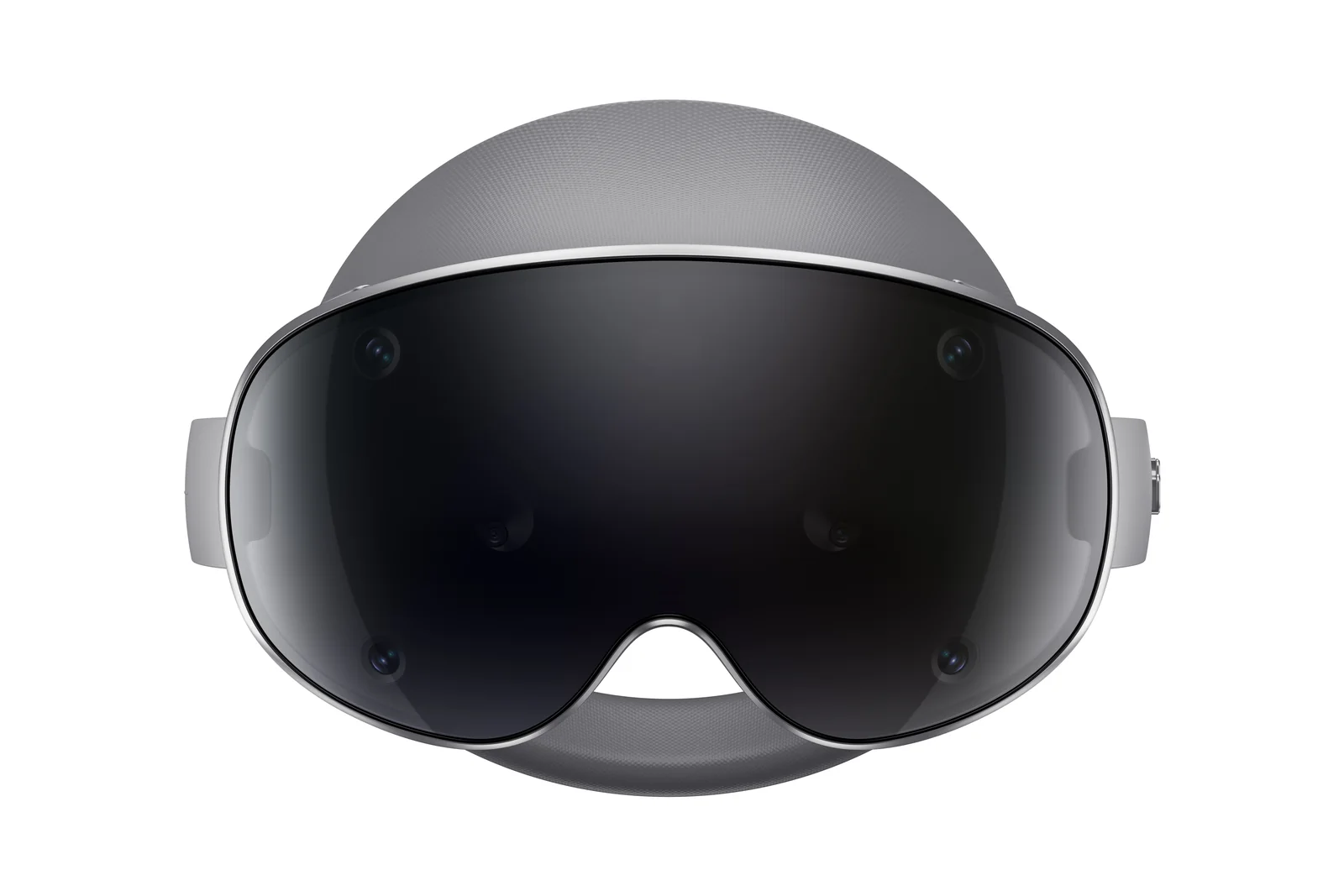
Android XR is the notable arrival. It runs on hardware from multiple manufacturers rather than one, ships with Gemini integrated, uses standard Android toolchains and supports Unity PolySpatial for cross-platform builds. For buyers, the argument is avoiding lock-in to a single hardware vendor.
visionOS is the opposite proposition. One vendor, one device, tight control and the most consistent user experience available, built on Xcode, SwiftUI and RealityKit.
Horizon OS has the largest content library and the most mature store economics, and is the default target for anything consumer-facing. Meta's 2026 restructuring is worth weighing before committing a multi-year roadmap to it.
SteamOS on Steam Frame brings an existing PC library and a distribution channel with no equivalent in XR, and it was unproven in headset form until the device shipped on September 14, 2026.
Snap OS is small but has the most open developer toolchain in glasses, integrating Lens Studio with modern coding agents.
OpenXR underpins most of the above and is the reason cross-platform development is viable at all.
Best XR software in 2026
Judged on production use at scale, security certification, platform coverage and published pricing. This category covers the tools used to build and operate XR, not the applications themselves.
Unity is the default engine for XR and has the widest device support, and it is the practical choice for standalone headsets, mobile AR and fast iteration.
Unreal Engine is chosen where photorealistic rendering is the requirement, typically high-fidelity simulation and architectural visualization.
Godot 4.7 now treats Steam Frame and Android XR as first-class targets and adds subsampled foveated rendering, which makes the open-source option credible for production XR rather than only for hobby projects.
ArborXR is a dedicated XR device management platform reporting use by more than 2,000 companies across 90 or more countries, holding ISO 27001 and SOC 2 Type 2 certification and free for up to 50 devices.
ManageXR is the other dedicated XR MDM, with published per-device pricing at $7 and $10 per month for its Essential and Premium tiers plus custom enterprise pricing.
Device management is the part most XR deployments underestimate, and it is one of the costs missing from most business cases for VR in business. General MDM tools like Intune and Jamf were built for laptops and phones, and headset support in them is thin.
Best XR development studios in 2026
Judged on published case studies, named clients, platform coverage, IP ownership terms and post-launch commitment. The full ranking of XR development companies covers this category in more depth, including consultancies and game studios.
This section is deliberately not ranked in order. Two of those five criteria are contractual and therefore private for most studios, so an ordinal list would imply a precision the evidence does not support. What follows is grouped by fit instead.
For regulated and operationally complex enterprise work: Treeview Studio, Softeq. Treeview has operated from New York City and Montevideo since 2016 and states clients including Microsoft, Meta, Medtronic, ULTA Beauty, Daiichi Sankyo, NEOM and the University of Alberta. It publishes the broadest platform coverage of any studio here and publicly commits to transferring full IP and source code to clients, which few competitors state either way. Softeq brings IoT and embedded hardware capability, which matters when the XR layer sits on top of real equipment data.
For large brand activations and experiential campaigns: Groove Jones, NEXT/NOW. Groove Jones, based in Dallas, lists Amazon, AT&T, IBM, Toyota, LEGO, Samsung, Mastercard, McDonald's, FIFA and the U.S. Army National Guard, alongside a claim of more than 300 industry awards. On client breadth its public record is the strongest in this section. NEXT/NOW works at venue and exhibition scale.
For production craft and entertainment: Magnopus. Visual effects heritage applied to spatial computing, publicly associated with Disney, Lucasfilm and NASA.
For high project volume at defined scope: Delta Reality, 4Experience. Delta Reality reports more than 200 completed XR projects across training, museums and visitor experiences.
For productized software rather than project work: Scope AR. A different purchase entirely, closer to buying a tool than commissioning a build.
What could not be verified
Three things, and readers should know which.
Steam Frame pricing was published on September 14, 2026. Valve set it at $1,059 for the 256GB model and $1,299 for 1TB. This guide previously left the field empty because the estimates then circulating, between $899 and $1,199, were not from Valve. The published figure sits inside that range.
Studio contract terms are private. IP ownership and post-launch commitment live in master service agreements. Where a studio is described above as committing to IP transfer, that is the studio's own published claim, not an audited fact, and absence of a public statement is not evidence of an unfavorable term.
Client and award claims from studios are largely self-reported. Vendor profiles on Clutch, Techreviewer, UpCity and similar directories are written by the vendor. They record what a company asserts publicly, which carries some weight because a false client claim is actionable, but they are not third-party verification. Every company named here is also listed in the directory, where the full field can be compared rather than a ranked subset, and how BestInXR verifies entries explains what gets checked.
Frequently Asked Questions (FAQ)
1. What is the best XR headset in 2026?
For most buyers the Meta Quest 3 at $599.99, on library size and developer support. Apple Vision Pro at $3,699 has the best display shipped in a headset. Samsung Galaxy XR at $1,799 is the strongest premium alternative outside Apple's ecosystem.
2. Why did VR headset prices go up in 2026?
A global shortage of memory and storage chips, driven by demand from AI data centers, raised component costs sharply. Meta raised Quest prices on 19 April 2026 and Apple raised Vision Pro on 25 June 2026, both citing memory costs directly. Analysts expect the shortage to persist into 2027.
3. What is the difference between AI glasses and AR glasses?
AI glasses have no display. Interaction is voice-based through speakers, with a camera providing visual context, as in the Ray-Ban Meta Gen 2. AR glasses put a visible display in front of the eye, as in the Meta Ray-Ban Display, Xreal One Pro and Rokid Glasses.
4. Which XR platform should an enterprise build on?
Android XR if avoiding single-vendor lock-in matters, since it runs across multiple manufacturers. visionOS if the deployment is Apple-only and consistency matters more than breadth. Horizon OS if reaching the largest existing installed base is the priority.
5. How much does enterprise XR development cost?
Published bands from studios in this category run from roughly $25,000 for a WebAR proof of concept to more than $500,000 for a full VR training platform. Cost varies with platform, native versus web-based build, volume of custom 3D content and integration with existing enterprise systems. The guide to selecting XR developers breaks down the phases a budget has to cover.
6. Who owns the code an XR studio writes for you?
The contractor does, unless the contract says otherwise. Without an explicit IP assignment clause a developer retains rights to code created for a client, even when it was written specifically for that client. Confirm assignment of source code, 3D assets and design files in writing before signing.