
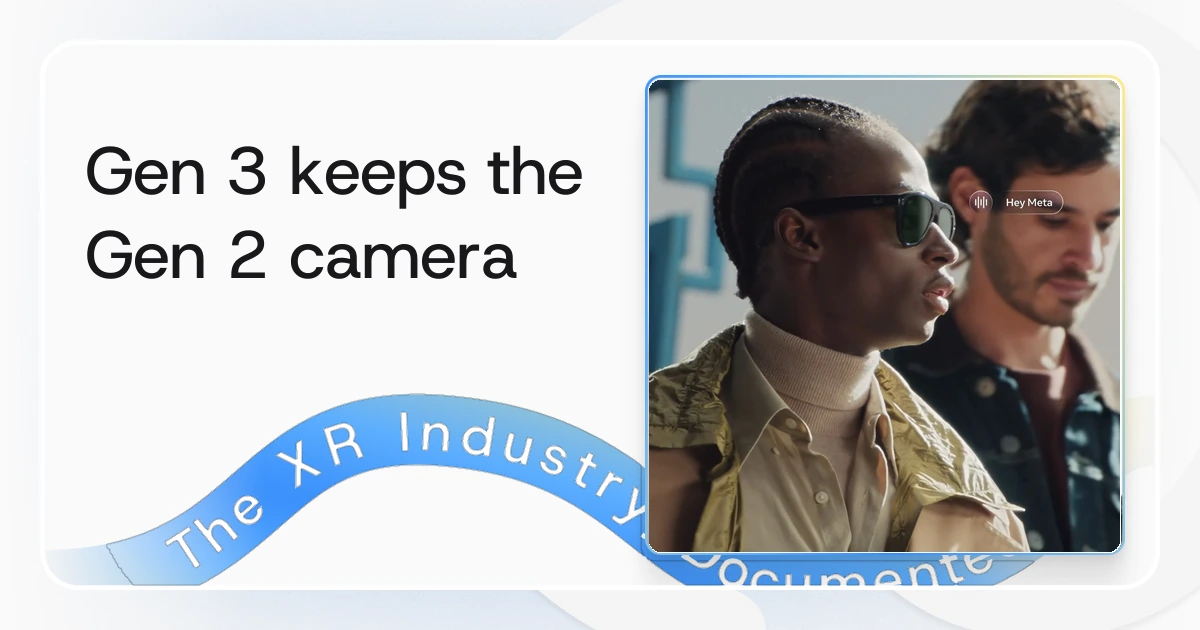
Ray-Ban Meta (Gen 3) went on sale on September 23, 2026 at $449, up $70 from the generation it replaces. Meta's own comparison table shows the camera, the video modes, the field of view and the prescription range are unchanged. What the extra $70 buys is an hour of battery, one more microphone and a button.
In short:
- What is new: three styles, Aviator, Zena and Wayfarer, across 27 color and lens combinations, with a customizable action button for Meta AI.
- Price and date: $449, on sale now. Gen 2 stays at $379 and Gen 1 is marked down to $224 from $299.
- Battery: up to 9 hours, one hour more than Gen 2, plus 50 hours from the case instead of 48.
- Audio in: a 6-mic array in place of Gen 2's 5-mic array, which Meta says cuts more than 90% of background noise.
- Camera out: 12 MP, 100 degree field of view, 3K video at 30 frames per second. Every one of those figures is identical to Gen 2 in Meta's own table.
What Meta announced
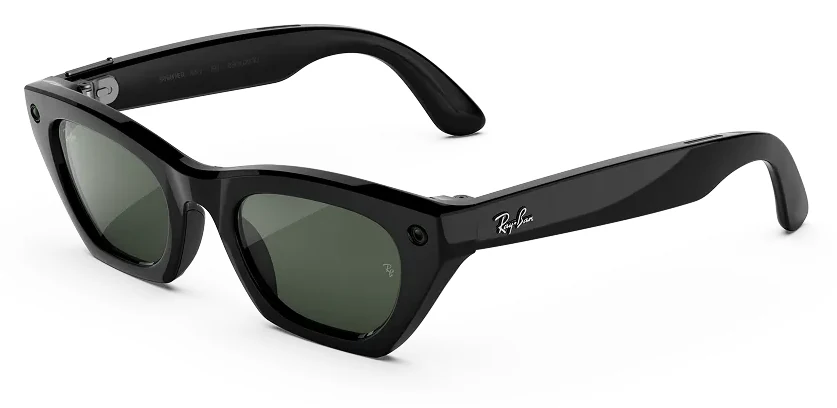
Meta calls Ray-Ban Meta (Gen 3) "the next generation of the world's best-selling AI glasses," which is Meta's description of its own product rather than a shipment figure anyone publishes. The frame line grows to three: Wayfarer carries over, Aviator and Zena are new, and Zena is a cat-eye shape. Meta gives 27 color and lens combinations across the three, and is releasing a limited-edition Aviator in a vintage-inspired colorway to mark the 90th anniversary of the Ray-Ban Aviator.
The published hardware changes are a customizable action button for instant access to Meta AI, professional-adjustable temple tips, up to nine hours of battery and a new 6-mic array. On the capture side Meta names a 12 MP camera, 3K Ultra HD video and a new dynamic photo mode that shoots a burst so the wearer can pick the frame. The built-in LED that signals recording stays.
One software promise is dated rather than shipped. Meta says that later this year its AI glasses will be "the first consumer devices that enable users to capture and experience videos in Dolby Atmos with 360-degree spatial sound." That is not available at launch.
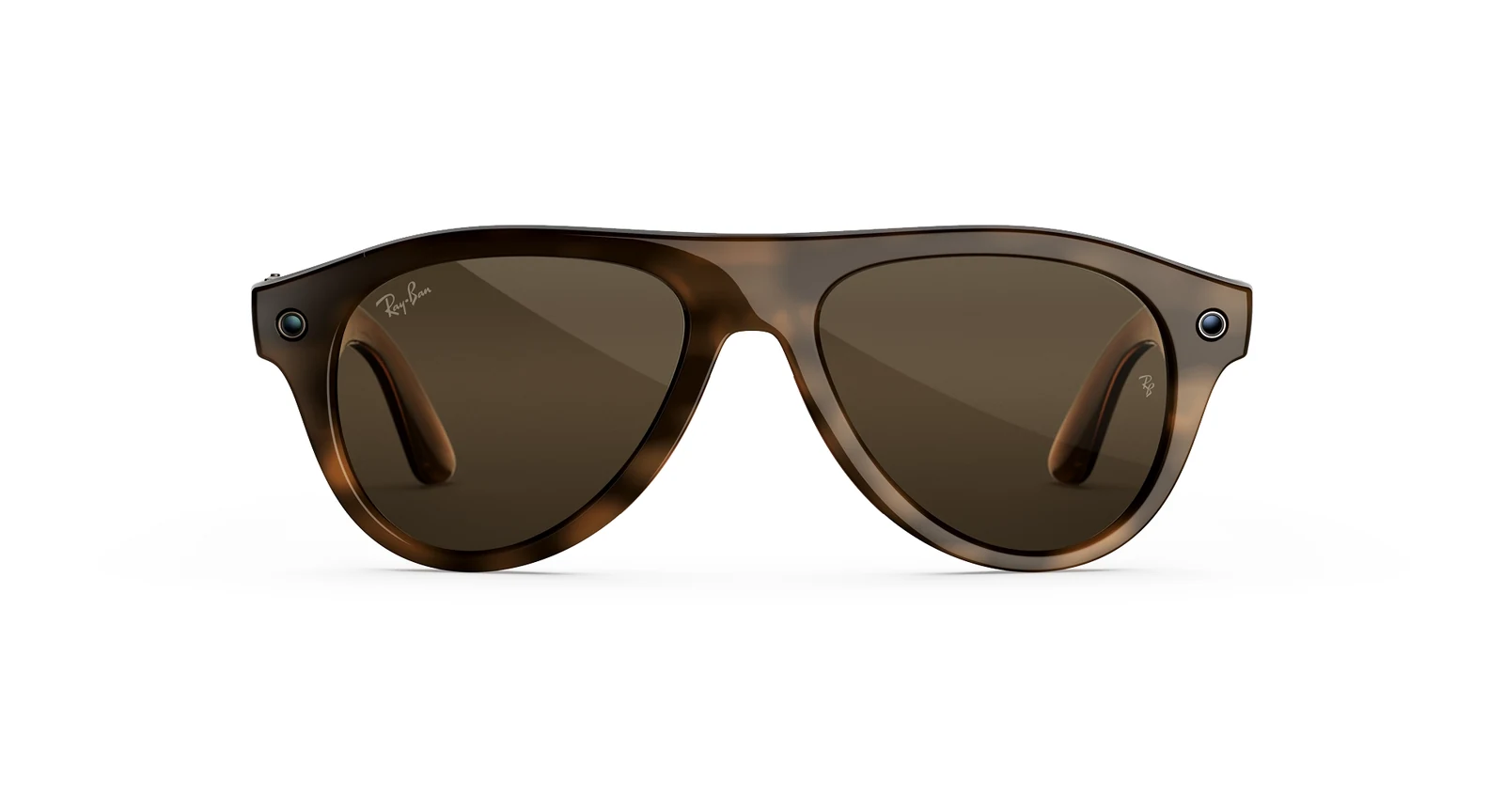
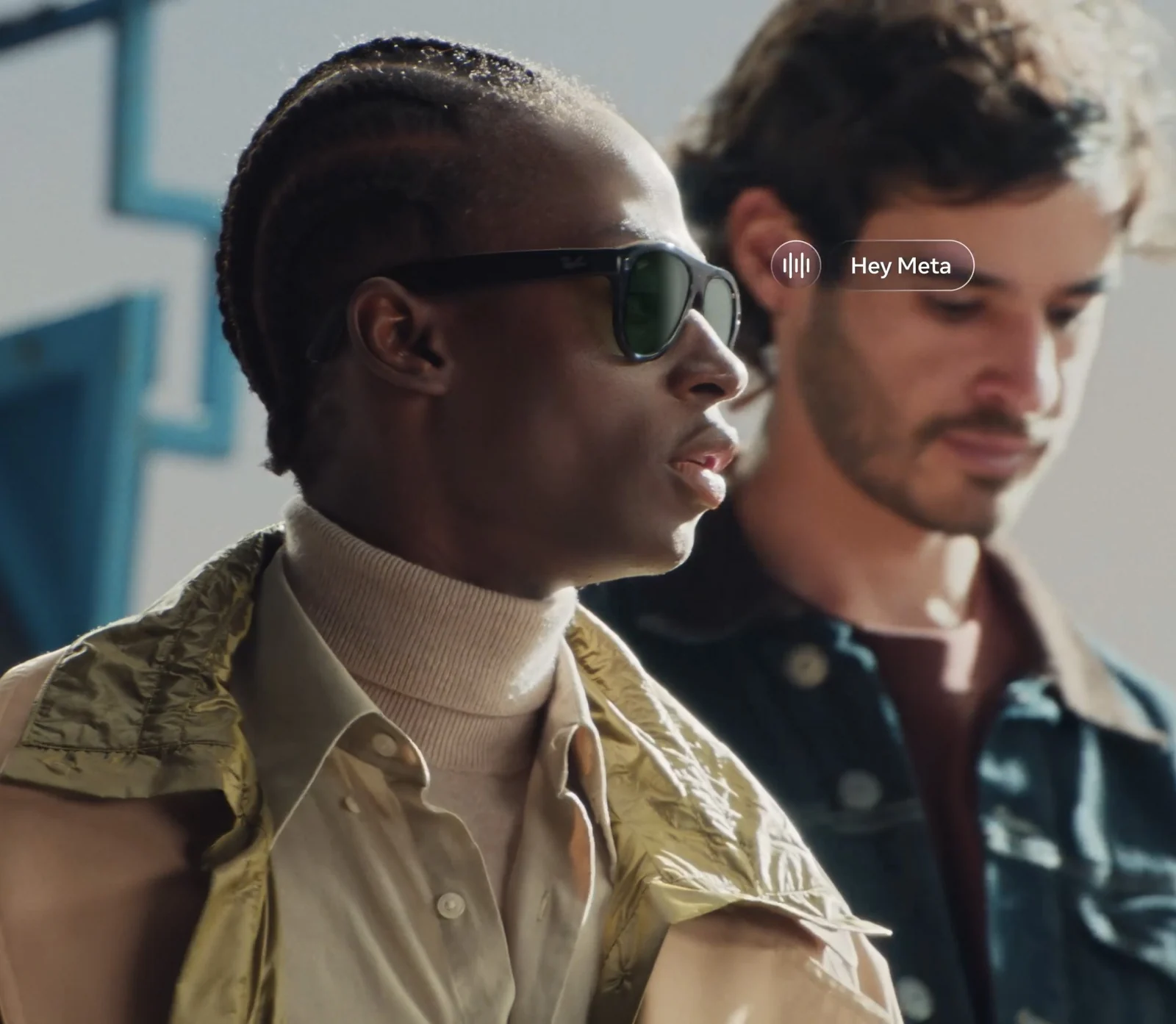
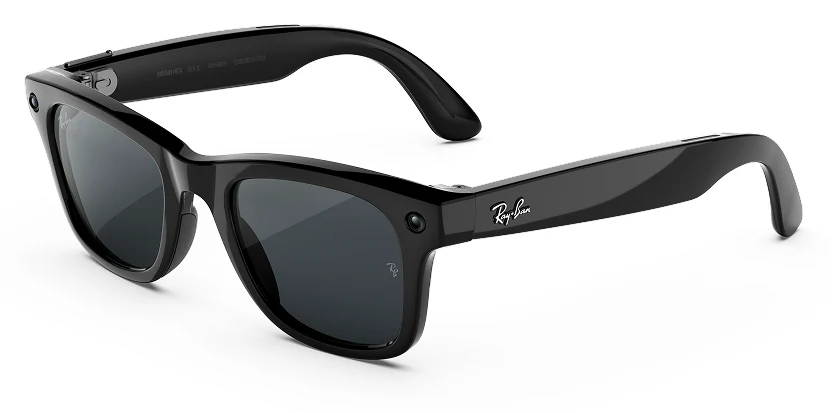
Read Meta's own comparison table
The most useful document Meta published yesterday is not the announcement. It is the comparison tool on its store, which will put Gen 3 beside Gen 2 in the same frame shape and list every row. Read on September 24, 2026 with Wayfarer selected on both sides, it gives this.
| Row | Ray-Ban Meta Wayfarer (Gen 3) | Ray-Ban Meta Wayfarer (Gen 2) |
|---|---|---|
| Price | $449 | $379 |
| Battery | Up to 9 hours, 50 more from the case | Up to 8 hours, 48 more from the case |
| Microphones | 6-mic acoustic array | 5-mic acoustic array |
| Action button | Customizable action button | Not listed |
| Camera | Wide-angle 12 MP | Wide-angle 12 MP |
| Field of view | 100 degrees, left-oriented | 100 degrees, left-oriented |
| Video | Up to 3K at 30 fps, up to 60 fps at 1080p | Up to 3K at 30 fps, up to 60 fps at 1080p |
| Photo modes | Dynamic photo, Photo Ultra HDR, Autocapture | Dynamic photo, Photo Ultra HDR, Autocapture |
| Prescription | -12.00 to +6.00 | -12.00 to +6.00 |
| Sizes | Standard and Large | Standard and Large |
| Display | No display | No display |
Four rows change out of eleven, and none of them is the camera. Meta's announcement copy leads with the camera anyway, describing 3K video and dynamic photo as though both were new, and dynamic photo appears in Meta's Gen 2 column. Set Gen 3 against Gen 1 instead and the camera rows do move: Gen 1 tops out at 1080p and has no dynamic photo, no Photo Ultra HDR and no action button.
So the generational story depends entirely on which generation a buyer is coming from. From Gen 1, this is a real upgrade. From Gen 2, it is $70 for an hour, a microphone and a button.
Meta now sells three generations at once
The store currently lists Gen 3 at $449, Gen 2 at $379 and Gen 1 at $224 against a $299 list price, alongside the Optics models of Gen 2 at $499 and the new Ray-Ban Meta Audio at $349. All checked on meta.com on September 24, 2026.
That is five price points inside one brand, which is a wider ladder than the category has had. It also means the cheapest way into Ray-Ban Meta is an outgoing generation on a markdown, and the markdown is not dated. Treat any single figure here as a snapshot, which is the standing advice on every price in this category and the reason our comparison of AI and smart glasses carries the check date beside each one.
Meta gives no reason for the $70 increase. It did give a reason the last time it raised hardware prices, citing the global surge in memory chip prices when Quest went up in April. Nothing in this announcement repeats that, and it would be a guess to carry it across.
What is not published
No processor, no memory, no storage figure and no weight appear anywhere for Gen 3. Meta publishes no speaker output, no charge time and no water or dust rating. The "more than 90% of background noise" figure for the new microphone array is Meta's own, with no method and no comparison device stated.
Meta also publishes no shipment number for the line it calls best-selling. The claim appears in its announcement, in its store copy and nowhere with arithmetic behind it. Counterpoint Research publishes an intelligent eyewear tracker that measures the category, and Meta's own figure is not in it.
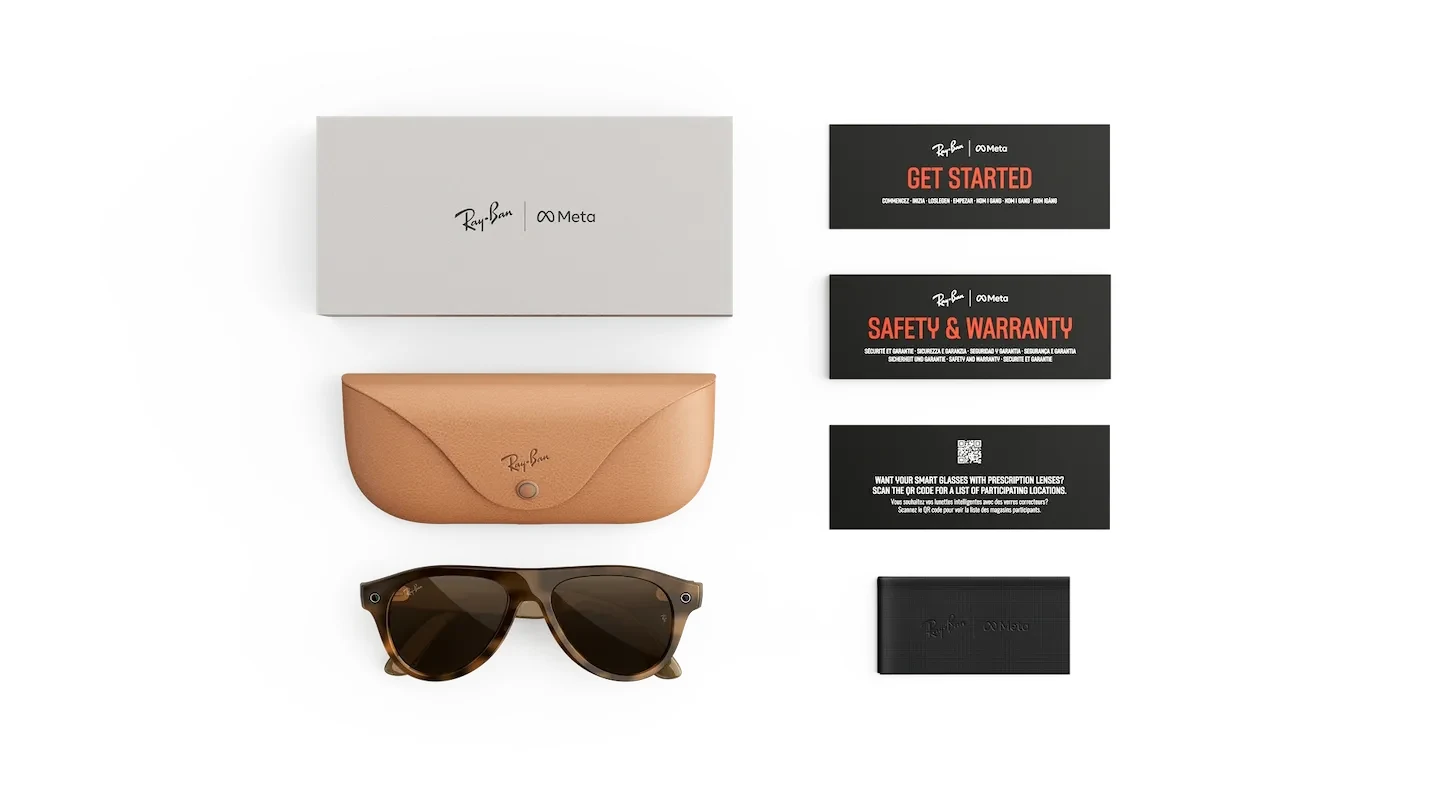
What comes in the box is published, and one line in it is worth reading. Meta's comparison table lists the glasses, a charging case, a cleaning cloth and a reference guide, then states that a USB-C charging cable is not included. The photography agrees: the flat lay Meta publishes for the Aviator shows the outer sleeve, the case, the glasses, three cards and a cloth, and no cable.
The hardware is designed and sold with EssilorLuxottica, which is the arrangement our XR ownership map records: neither company owns the other, and EssilorLuxottica's own smart eyewear page says Ray-Ban Meta is "Developed in partnership with Meta."
Related reading. The roundup of everything Meta announced at Connect 2026 covers the headset and the rest of the glasses line, the Meta Glasses styles start $200 below this one, our smart glasses business guide sets out what a camera and a display each add to a pair, and the XR hardware price index puts this price beside every other class of XR device.
Frequently Asked Questions (FAQ)
1. How much is Ray-Ban Meta Gen 3?
$449 in the United States, on sale from September 23, 2026, across three styles and 27 color and lens combinations. Meta has published no price in other currencies.
2. What is the difference between Ray-Ban Meta Gen 2 and Gen 3?
By Meta's own comparison table: nine hours of battery instead of eight, 50 case hours instead of 48, a 6-mic array instead of 5, and a customizable action button. The camera, the 100 degree field of view, the 3K video modes, the photo modes, the prescription range and the sizes are the same on both.
3. Is the Gen 3 camera better than Gen 2?
Meta publishes the same camera and video figures for both: a wide-angle 12 MP camera, a 100 degree left-oriented field of view, up to 3K video at 30 frames per second and up to 60 frames per second at 1080p. Against Gen 1 the camera rows do improve, because Gen 1 tops out at 1080p.
4. What styles does Ray-Ban Meta Gen 3 come in?
Wayfarer, Aviator and Zena, a cat-eye shape. Meta is also releasing a limited-edition Aviator in a vintage-inspired colorway for the 90th anniversary of the Ray-Ban Aviator.
5. Can Ray-Ban Meta Gen 3 record spatial audio?
Not yet. Meta says that later this year its AI glasses will be the first consumer devices to capture and experience videos in Dolby Atmos with 360-degree spatial sound. No date has been given.