
Meta announced Ray-Ban Meta Audio on September 23, 2026, its first glasses with no camera. They cost $349, weigh 43 grams, run 12 hours on a charge and ship on October 13. Every detail reported a week ago as the camera-free pair codenamed Luna turned out to be right, and Meta's own privacy page has not caught up with the product.
In short:
- What it is: audio glasses with open-ear speakers and Meta AI and no camera at all. Meta's product page states they are "built without a camera."
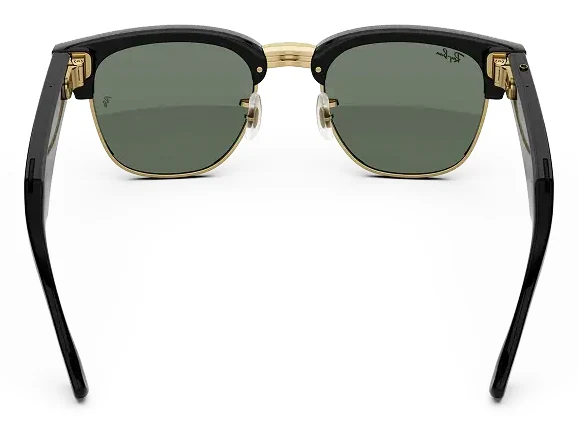
- Price and date: $349, pre-order now, shipping October 13, in two styles, Clubmaster and Burbank, across 23 color and lens combinations.
- The numbers: 43 grams, up to 12 hours on a charge plus up to 48 hours from the case, a 6-mic array, a customizable action button and prescriptions from -12.00 to +6.00.
- The report was right: the codename, the microphone count, the side button, both frame names and the October target all came out a week early and all held.
- The gap: Meta's AI glasses privacy page still opens "Each pair of our AI glasses has a bright white light called a Capture LED." One pair now does not.
What Meta announced
Ray-Ban Meta Audio is Meta's first audio product in the glasses line. Meta describes it as packing "the power of earbuds and AI into our lightest and slimmest AI glasses yet," which is Meta's claim rather than a measured comparison, and gives the weight as 43 grams.
The published figures are specific. Up to 12 hours of hands-free calling, open-ear audio and Meta AI on a single charge, with up to an additional 48 hours from the included charging case. Meta's own comparison table adds a 6-mic acoustic array, a cap touchpad in place of the two-way touchpad on the camera models, a customizable action button, adjustable nose pads, adjustable temple tips, over-extension hinges and a prescription range of -12.00 to +6.00. The camera and media rows in that table are empty.
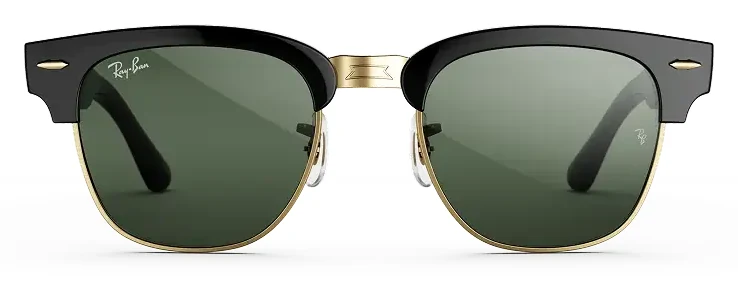
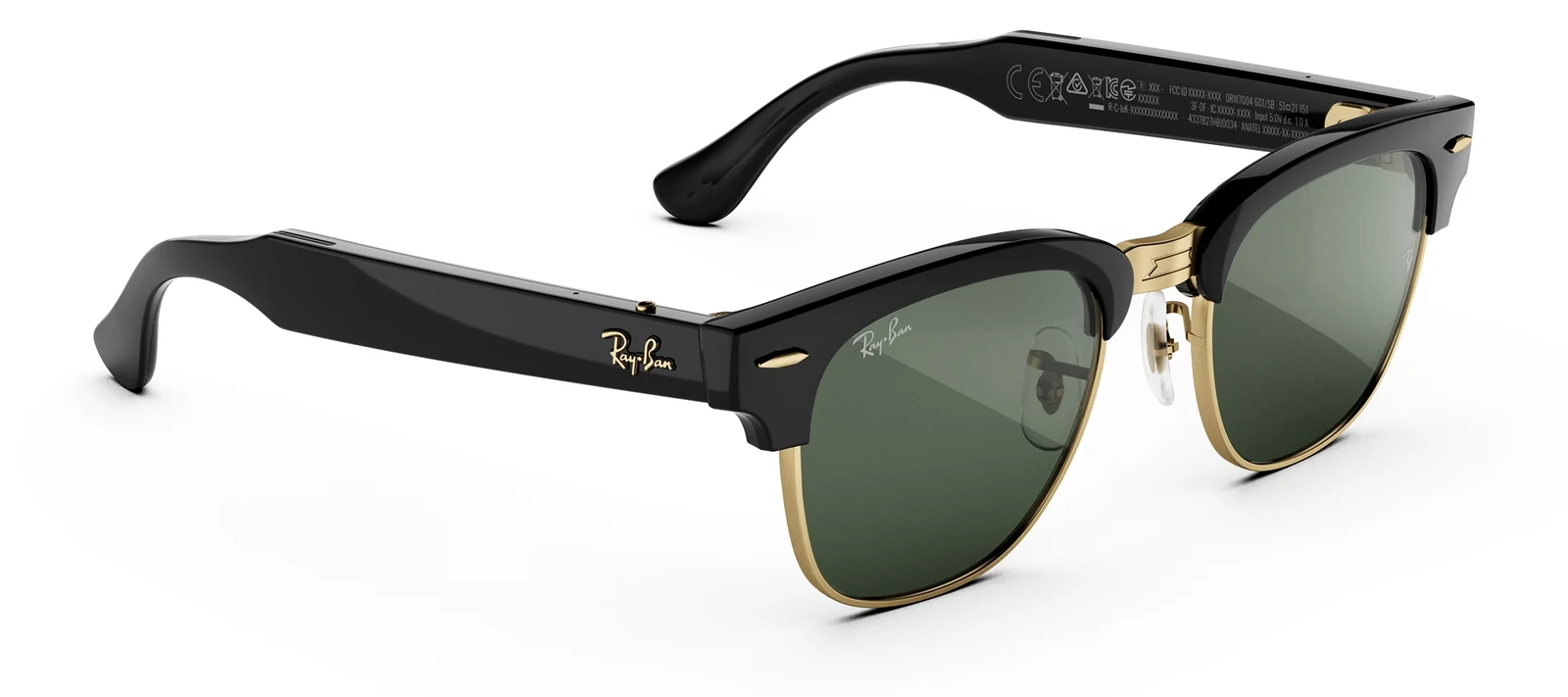
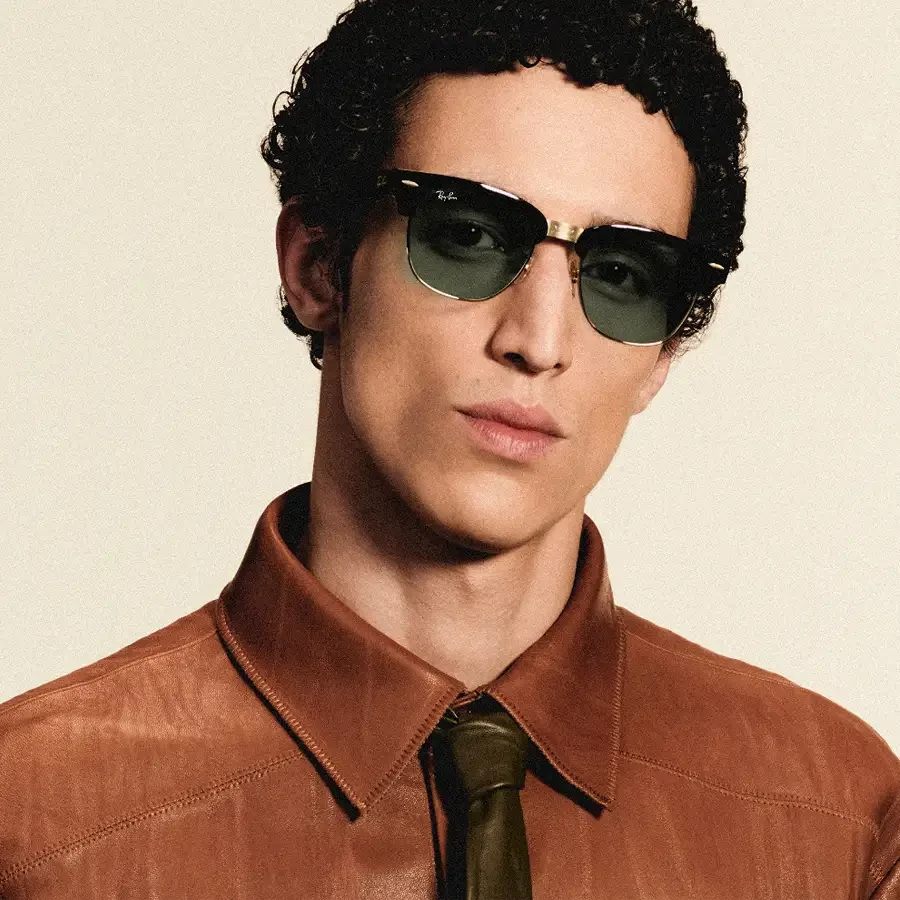
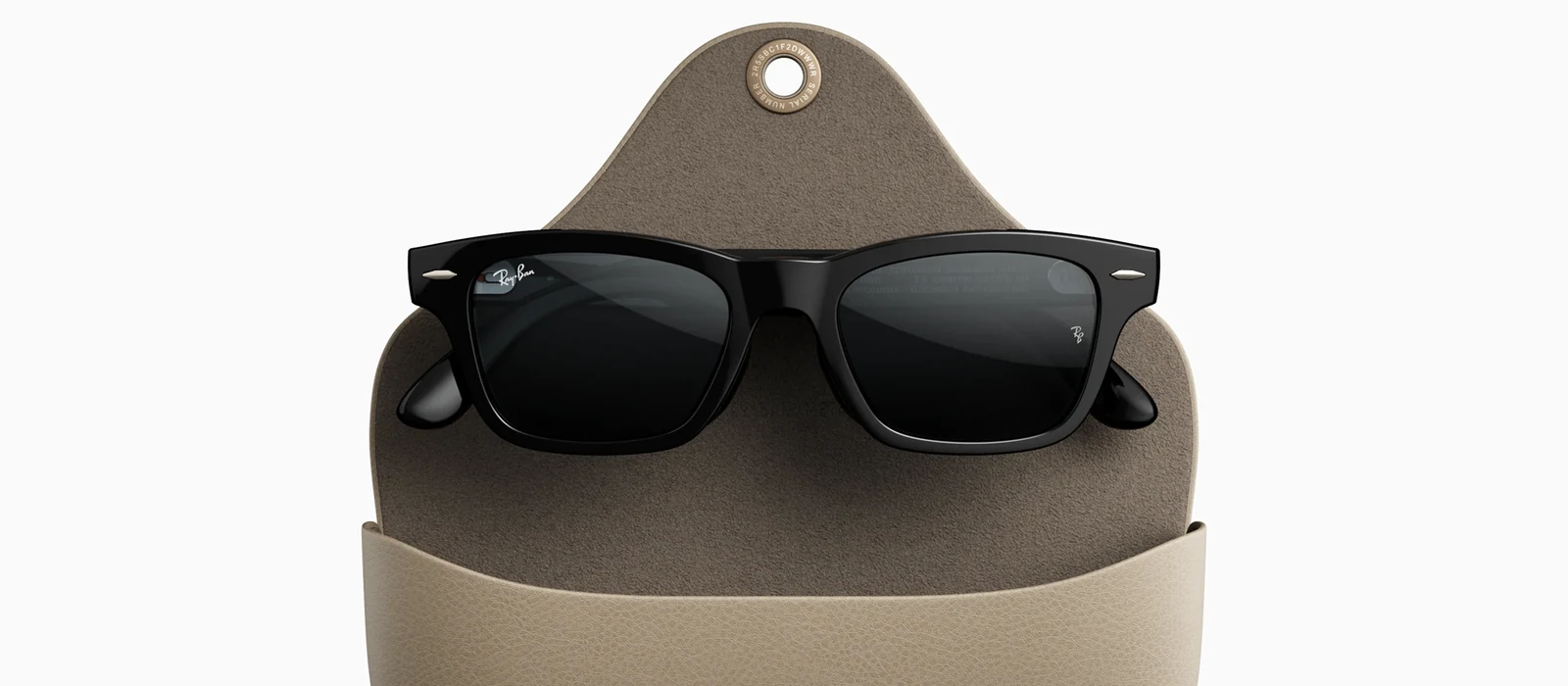
Two frame styles launch together: Clubmaster, a browline shape, and Burbank, a rectangle. Meta gives 23 color and lens combinations between them and says both take a wide range of optical prescriptions.
The report was right, in every particular
On September 16 BestInXR covered a report that Meta was preparing camera-free glasses, and was explicit about what that post could and could not stand behind. The original sat behind a paywall and BestInXR did not read it. What the post recorded was how three outlets described its contents, and it said in plain terms that three outlets reading one report is one source rather than three.
Set the two side by side. The report said six microphones, and Meta's table gives a 6-mic acoustic array. It said a side button that summons Meta AI, and Meta ships a customizable action button. It said two frame styles called Clubmaster and Burbank, and those are the two names on the store. It said October as the ship month, and the date is October 13. It said removing the camera allowed slimmer temple arms, and Meta leads on slimness.
The one thing the report got wrong was the name. Luna was a codename, it never appeared in a Meta document, and the post said so at the time. Everything a reader could have acted on was accurate a week before Meta published any of it.
That is worth recording precisely because the desk declined to treat it as fact. The rule that a leak is reported as a leak does not mean leaks are usually wrong. It means the reader gets to see which is which.
Meta's privacy page describes a lineup that no longer exists
The September 16 post made one prediction that was not about the product. It pointed out that Meta's AI glasses privacy page is built entirely around a camera, and that a pair without one "would be the first Meta AI glasses that none of it describes."
Checked on September 24, 2026, the day after the announcement, that page is unchanged. It is headed "Privacy, built in every pair" and opens: "Each pair of our AI glasses has a bright white light called a Capture LED that blinks to signify when content is being captured for your gallery." It goes on to describe a tamper rule under which glasses disable the camera if the light is covered.
Ray-Ban Meta Audio has no camera, no Capture LED and nothing for that rule to govern. The sentence is now false about one of the products it covers. This is a documentation lag rather than a safety problem, and it is small, but it is the kind of thing that tells you a page is a marketing asset rather than a maintained specification. Nothing about the glasses themselves is affected.
Where this lands in the camera argument
The camera has been the contested component in this category all year, and Meta has now taken the third of the three available positions on it in a single week of coverage.
VONDER shipped a pair with neither camera nor display on September 22 from $299, which is the removal position. Qualcomm announced an audio platform a day later describing camera-equipped wearables that "help gather context on the users' environment, rather than capturing photos," which is the keep-it-and-change-what-it-is-for position. Meta has now done the first of those with its best-known brand, at a price $50 above the camera-free startup and $100 below its own camera model.
Counterpoint Research named public concern about the privacy implications of cameras as one of two near-term challenges facing intelligent eyewear, and forecast camera-free audio glasses as an industry response. The forecast is now a product carrying the brand Meta calls "the world's best-selling AI glasses," which is Meta's own description and not a figure either company publishes.
What leaves with the lens is worth stating, because Meta does not. A pair without a camera cannot read a menu aloud, identify an object, translate a sign or answer a question about what the wearer is looking at. Those are the tasks Meta itself named when it donated 15,000 Ray-Ban Meta glasses to Vision Ireland in August, listing "reading text, identifying objects and accessing information about the world around them." Ray-Ban Meta Audio is a different product from that one, not a safer version of it.
What is missing from the spec sheet
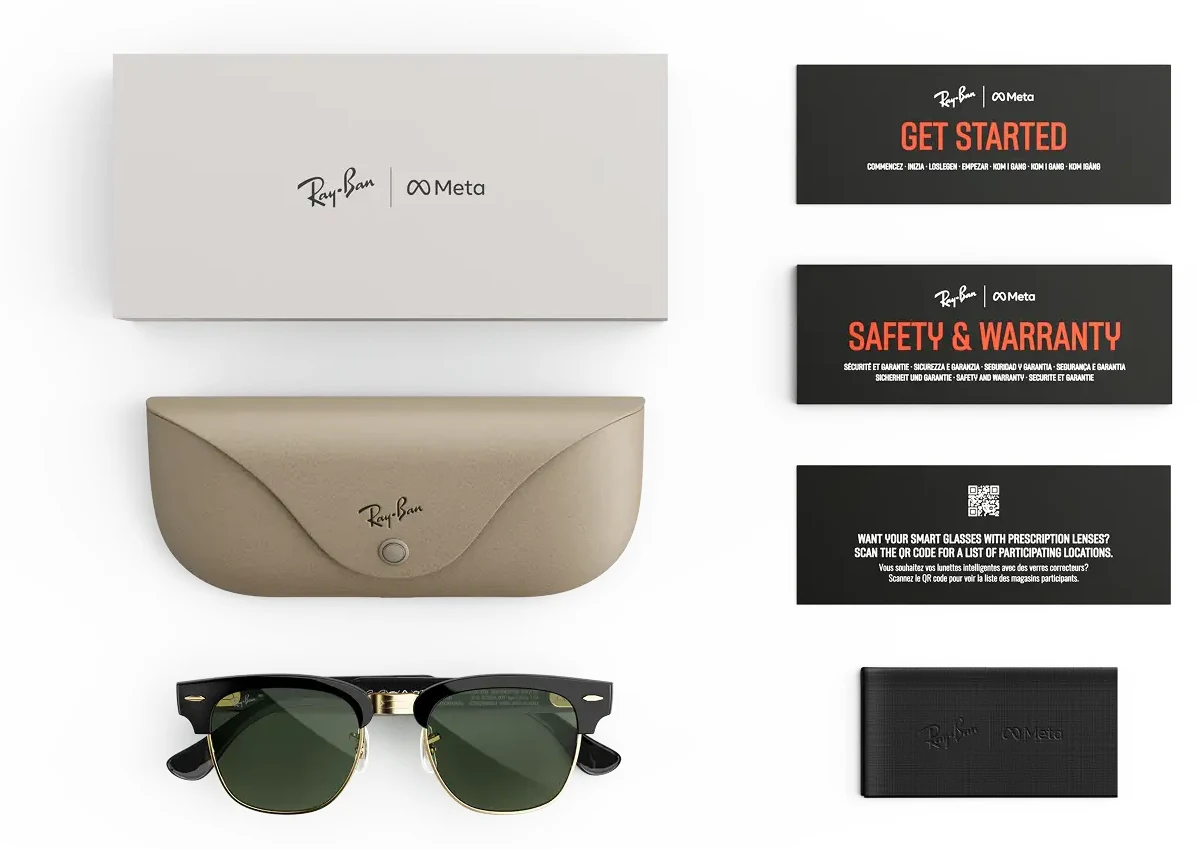
Meta publishes no speaker output figure, no microphone specification beyond the count, no water or dust rating, no Bluetooth version and no processor. It names no chip at all, which matters in a week when Qualcomm announced an audio platform that lists audio glasses among its target form factors. Nothing published by either company connects the two, and this post does not either.
Charging case aside, Meta also gives no separate weight for the case, no charge time and no figure for how much of the 12 hours assumes the assistant is running. Our comparison of AI and smart glasses prices the category with those gaps marked, and the XR spec gap documents how routine they are.
Related reading. Our smart glasses business guide sets out how the categories divide once the camera and the display are treated as separate choices, and the roundup of everything Meta announced at Connect 2026 covers the rest of the lineup.
Frequently Asked Questions (FAQ)
1. Do Ray-Ban Meta Audio glasses have a camera?
No. Meta's product page states they are built without a camera, and its own FAQ answers the question with "No." The camera and media rows of Meta's comparison table are empty for both Audio styles.
2. How much are Ray-Ban Meta Audio glasses and when do they ship?
$349 in the United States, with pre-orders open from September 23, 2026 and shipping on October 13. Meta has published no price in other currencies.
3. How long does the battery last?
Meta gives up to 12 hours on a single charge for hands-free calling, open-ear audio and Meta AI, plus up to 48 hours more from the included charging case. No figure is published for how much of that assumes continuous assistant use.
4. What styles do Ray-Ban Meta Audio glasses come in?
Two, Clubmaster and Burbank, across 23 color and lens combinations. Both support prescriptions, which Meta's comparison table gives as a range of -12.00 to +6.00.
5. Was the Luna leak accurate?
The specifics were. A September 16, 2026 report described six microphones, a side button for Meta AI, two frame styles called Clubmaster and Burbank and an October ship target, and Meta's announcement matches all of them. Luna itself was only ever a codename and has never appeared in a Meta document.